
Seeing a baby sleeping with eyes open can feel unsettling, especially in the quiet hours of the night. In many families it’s a harmless, temporary sleep behavior. This article explains common reasons, how to protect your own peace of mind, and when it makes sense to bring it up with a clinician.
What parents are noticing and why it can feel alarming
A partially open eyelid during sleep can look like a baby is awake, distressed, or “not resting.” For tired caregivers, this can trigger a spike of anxiety, a sense of constant vigilance, or worry that something is being missed. Naming the reaction matters: your brain is doing its job by scanning for safety, but it can also keep you from getting the rest you need.
It may help to remember that infant sleep is full of surprising patterns—small movements, facial expressions, and brief changes in breathing rhythm that look intense but are often part of normal sleep cycles.
Common, non-emergency reasons babies sleep with eyes open
Babies can sleep with eyes partially open for a variety of everyday reasons. Some infants have eyelids that don’t fully close during certain sleep stages, or they may briefly open their eyes during lighter sleep without truly waking. Newborn nervous systems are still maturing, and sleep can be more active and irregular than adult sleep.
Family history can play a role as well; some people simply sleep with eyes slightly open. Dry air, mild congestion, or a changing sleep environment may also make the eyelids appear less relaxed at times. None of these possibilities automatically signal a serious problem, but they are worth noting if they persist or coincide with other concerns.
When it’s worth checking in with a clinician
Because every baby is different, it’s reasonable to raise the observation at a routine pediatric visit—especially if it’s frequent, persistent, or paired with other changes. You don’t need to “prove” anything; a simple description and approximate pattern is enough.
Consider noting a few details to share (no need to over-monitor):
- How often it happens, how long it lasts, and whether the eyes are slightly open or wide open
- Whether your baby seems comfortable (settled body, regular breathing) or unusually fussy afterward
- Any eye irritation you’ve noticed (redness, watering, rubbing)
- Any broader sleep changes (difficulty settling, shorter sleep stretches)
A clinician can help distinguish normal variation from issues that might benefit from evaluation, without escalating worry unnecessarily.
Protecting caregiver mental health when sleep feels uncertain
Unusual sleep behaviors can become a mental loop: “If I stop watching, I’ll miss something.” That loop is common and can intensify postpartum anxiety, especially when combined with sleep deprivation. A practical goal is to shift from constant surveillance to a steadier sense of safety.
Try framing the situation as “something to observe and discuss,” rather than “something to solve tonight.” If you notice yourself repeatedly checking, set a gentle boundary—one or two planned check-ins, then back to rest. If worry is disrupting your sleep over multiple nights, consider talking with a perinatal mental health counselor, your primary care provider, or a trusted support line in your community.
Community support and shared leadership at home
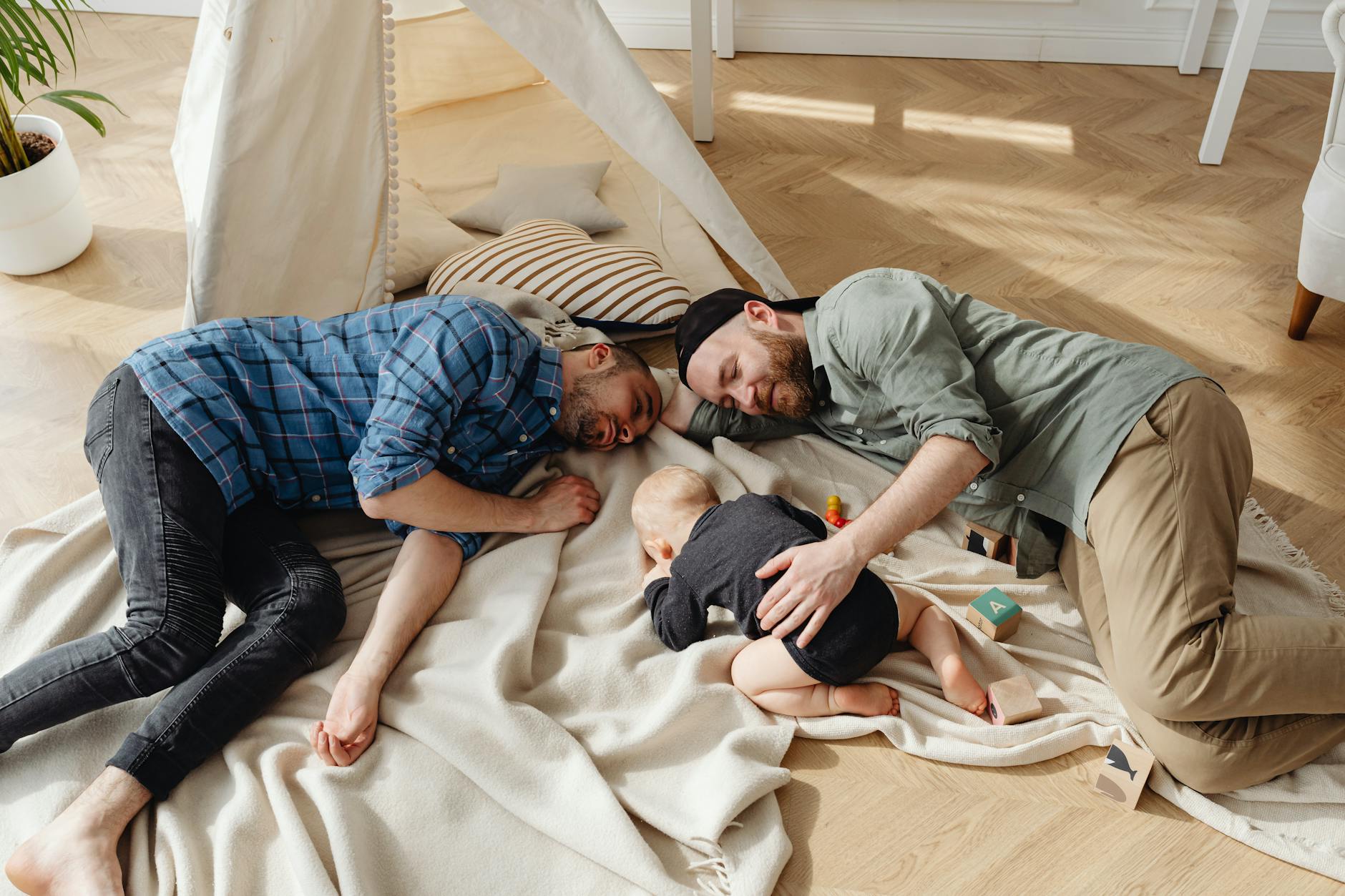
Caregivers do better when responsibility is shared. If you have a partner, family member, or friend, ask for help in a specific way: a short shift so you can nap, someone to accompany you to a pediatric appointment, or someone to sit with you while you talk through worries.
Leadership in a household doesn’t mean carrying it all—it means organizing support. Create a simple plan that reduces uncertainty: who handles nighttime checks, what observations to track, and when you’ll bring questions to a professional. In parent groups, you may hear “my baby did that too,” which can reduce isolation, but balance anecdotes with guidance from your care team when decisions are needed.
FAQ
Is it normal for a baby to sleep with eyes open?
It can be within the range of normal, especially if it’s occasional and your baby otherwise seems comfortable and healthy. Mention it at a routine visit if it’s frequent or worries you.
Does this mean my baby isn’t getting good sleep?
Not necessarily. Some babies briefly open their eyes during lighter sleep stages without fully waking. Look for overall patterns like feeding, growth, and daytime comfort rather than a single sleep detail.
What should I write down to describe it accurately?
A simple note of frequency, duration, and whether the eyes are slightly open or wide open is usually enough. If you notice signs of irritation like redness or watering, include that too.
I feel anxious watching my baby sleep—what can help?
Sleep deprivation can amplify worry. Sharing nighttime responsibilities, setting limited check-in routines, and talking with a perinatal mental health professional can help you feel safer and more rested.