

Interest in horny goat weed for women often sits at the intersection of libido, stress, mood, and relationship dynamics. Online claims can sound certain, while the evidence is often mixed and product quality varies. This article offers a grounded overview to support informed, wellbeing-focused decisions.
What it is and why women look into it
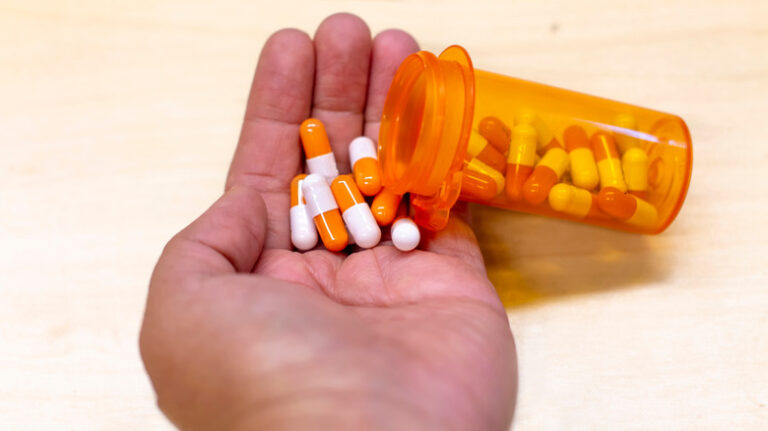
Horny goat weed is a common name for Epimedium species, an herbal supplement promoted for sexual wellbeing and energy. Women may consider it when they notice changes in desire, arousal, or sexual satisfaction linked to life transitions (postpartum, perimenopause), chronic stress, antidepressant side effects, body image concerns, or relationship strain. It is also used by some people as part of broader self-care narratives—wanting to feel more connected, confident, or present in intimacy.
It can help to separate two different goals: improving sexual function (physical comfort, lubrication, arousal) and improving sexual desire (motivation, interest, pleasure). These don’t always move together, and mental health factors often play a major role in both.
What the research does and does not show
Evidence for horny goat weed in women is limited. Much of the attention centers on a compound called icariin, studied mostly in laboratory or animal models, which cannot be assumed to translate to real-world outcomes for women. Human data are comparatively sparse, and studies that do exist may differ in product composition, participant characteristics, and outcome measures.
That doesn’t mean it cannot help anyone; it means claims of predictable, reliable effects are not well supported. When reading research summaries, look for specifics: who was studied, what preparation was used, what outcomes were measured (desire, arousal, orgasm, distress), and whether benefits were clinically meaningful rather than just statistically significant.
Safety, interactions, and product quality realities
Supplements are not regulated like prescription medications in many regions, and products can vary widely in strength and purity. This matters because unexpected ingredients, contaminants, or inaccurate labeling can affect mood, sleep, blood pressure, and anxiety—issues that already influence sexual wellbeing.
Key considerations to discuss with a qualified clinician or pharmacist include:
- Current medications and potential interactions (especially for mood, blood pressure, or blood thinning)
- Personal history of hormone-sensitive conditions, cardiovascular issues, or anxiety/panic symptoms
- Side effects that could worsen stress or sleep, which can indirectly reduce libido
If you choose to buy supplements, prioritize transparent brands that provide third-party testing and clear ingredient lists rather than proprietary blends that obscure amounts.
Sexual wellbeing is also mental wellbeing
Desire and satisfaction are shaped by safety, trust, stress load, and self-perception. When a supplement becomes the main focus, it can unintentionally reinforce the idea that something is “broken,” increasing performance pressure and lowering pleasure.
Helpful reframes include viewing libido as a responsive system rather than a fixed trait. Stress, grief, trauma history, identity-based stress, and relationship inequity can all dampen interest in sex. Addressing these factors—through therapy, couples counseling, or stress-reduction support—often improves sexual wellbeing more reliably than any single supplement.
If your interest in horny goat weed is driven by emotional distress, shame, or a sudden change in mood or functioning, it may be more useful to start with compassionate assessment: what changed in your life, your body, your relationship, or your sleep, and what support is available.
Community support, education, and informed leadership
Sexual health information is often gendered, moralized, or framed as a personal failure. Communities—online or in-person—can provide normalization and practical language for needs and boundaries, especially for women navigating postpartum shifts, chronic illness, disability, menopause, or medication side effects.
Look for spaces led by qualified educators and clinicians, and for leadership that centers consent, trauma-informed practice, and inclusivity. Good resources will encourage questions, avoid miracle claims, and respect that “low desire” is not automatically a problem unless it causes distress for you. If you’re part of a workplace, clinic, or community group, leadership can support sexual wellbeing by making credible education accessible, promoting mental health literacy, and reducing stigma around seeking care.
FAQ
Does horny goat weed work for women’s libido?
Some people report benefits, but research in women is limited and product quality varies widely. It’s best viewed as uncertain rather than proven.
Is it safe to combine horny goat weed with antidepressants or anxiety medication?
Potential interactions are possible, and individual risk depends on the specific medication and your health history. A pharmacist or prescribing clinician can help you evaluate safety.
What if low libido is affecting my mood or relationship?
Low desire is often linked with stress, sleep, relationship dynamics, and body changes. A therapist, couples counselor, or sexual health clinician can help address the underlying drivers alongside any medical evaluation.