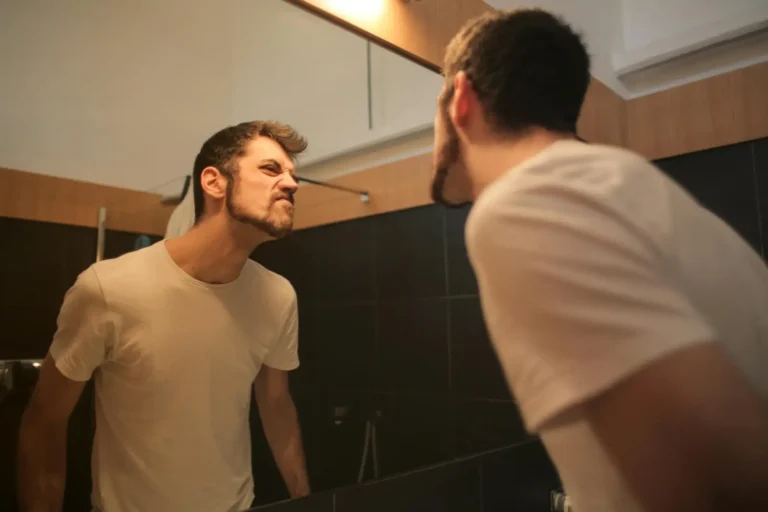


A right eye twitch can feel distracting, especially when it shows up during a busy or emotionally intense week. Many women notice it alongside stress, worry, and poor sleep. While often harmless, it can still be a useful signal to check in with your wellbeing and environment.
What an eye twitch usually is and why it feels alarming
Most eyelid twitches are small muscle spasms around the eyelid that come and go. They can feel more serious than they are because they’re visible, repetitive, and hard to ignore once you notice them. For many people, the twitch is temporary and reflects a combination of body stressors rather than a single cause. If you’re feeling anxious, the twitch can also become a “focus point,” making it seem more intense or frequent.
Could stress or anxiety be involved
Stress and anxiety can influence the nervous system, muscle tension, and sleep quality—factors commonly associated with eyelid twitching. When you’re under pressure, your body may stay in a more activated state (often described as “on edge”), which can make minor physical sensations more noticeable and persistent. Anxiety can also amplify monitoring behaviors, such as repeatedly checking whether the twitch is still happening, which increases attention and can make symptoms feel worse even when the underlying twitch is mild.
Why women may notice it more at certain times
The experience of stress is shaped by workload, caregiving roles, social expectations, and exposure to chronic strain. Many women carry layered responsibilities that reduce recovery time and increase mental load, which can affect sleep and increase tension. Some also report heightened sensitivity to bodily changes during periods of hormonal fluctuation, though individual patterns vary widely. The key takeaway is not that women are “more prone,” but that context and cumulative stress can make a twitch more likely to appear—and harder to dismiss.
Common day to day triggers that often travel with stress
Eyelid twitching is frequently reported alongside everyday factors that also tend to rise during stressful periods:
- Poor or reduced sleep
- Increased caffeine or stimulant use
- Extended screen time and visual fatigue
- Dehydration or irregular meals
- Heightened worry, rumination, or sustained tension
- Dry eyes or irritation (including from contacts or environmental factors)
These triggers don’t prove a single cause, but they can help you identify patterns—especially if the twitch coincides with deadlines, conflict, grief, or burnout.
Supportive ways to respond without overreacting
A calm approach can reduce the sense of threat and help you learn what your body is signaling. Consider tracking when it happens (time of day, stress level, sleep, caffeine, screen exposure) to see if a pattern emerges. If the twitch is making you anxious, it can help to name what else is going on—workload, relationship stress, financial worry, or ongoing caregiving demands—so the twitch is framed as a stress marker rather than a mystery.
Community support matters here: a trusted friend, peer group, or counselor can help you translate physical stress signs into practical changes, like setting boundaries, adjusting routines, or seeking workplace accommodations. If you’re a manager or team lead, normalizing conversations about stress and recovery time can reduce stigma and encourage earlier support-seeking—benefiting the whole group.
When to consider professional input
Even when stress is a likely contributor, it’s reasonable to check in with a healthcare professional if you’re worried or if symptoms persist. Seek evaluation if twitching lasts a long time, is worsening, involves other facial muscles, affects vision, or is accompanied by other new symptoms. For mental health, consider support if anxiety is escalating, sleep is consistently disrupted, or you feel stuck in a high-alert state—these are treatable concerns, and you don’t have to wait for a crisis to ask for help.
FAQ
Does right eye twitching mean something specific spiritually or culturally
Many cultures attach meanings to eye twitching, but these interpretations vary widely and aren’t evidence-based. If it worries you, it can help to focus on observable triggers such as sleep, stress, caffeine, and eye strain.
Can anxiety make me notice the twitch more
Yes. Anxiety can increase body scanning and attention to sensations, which can make a mild twitch feel more frequent or intense. Reducing overall stress and getting support can lessen that feedback loop.
How long is “too long” for an eye twitch
There isn’t a single cutoff that fits everyone. If it persists, worsens, affects other facial areas, or comes with new symptoms, it’s a good idea to seek medical input for reassurance and assessment.
Is it normal for the twitch to come and go with busy periods
It can be. Many people notice eye twitching during high-demand stretches when sleep, screen time, and stress load change at the same time. Pattern tracking can help you confirm whether it aligns with those periods.