

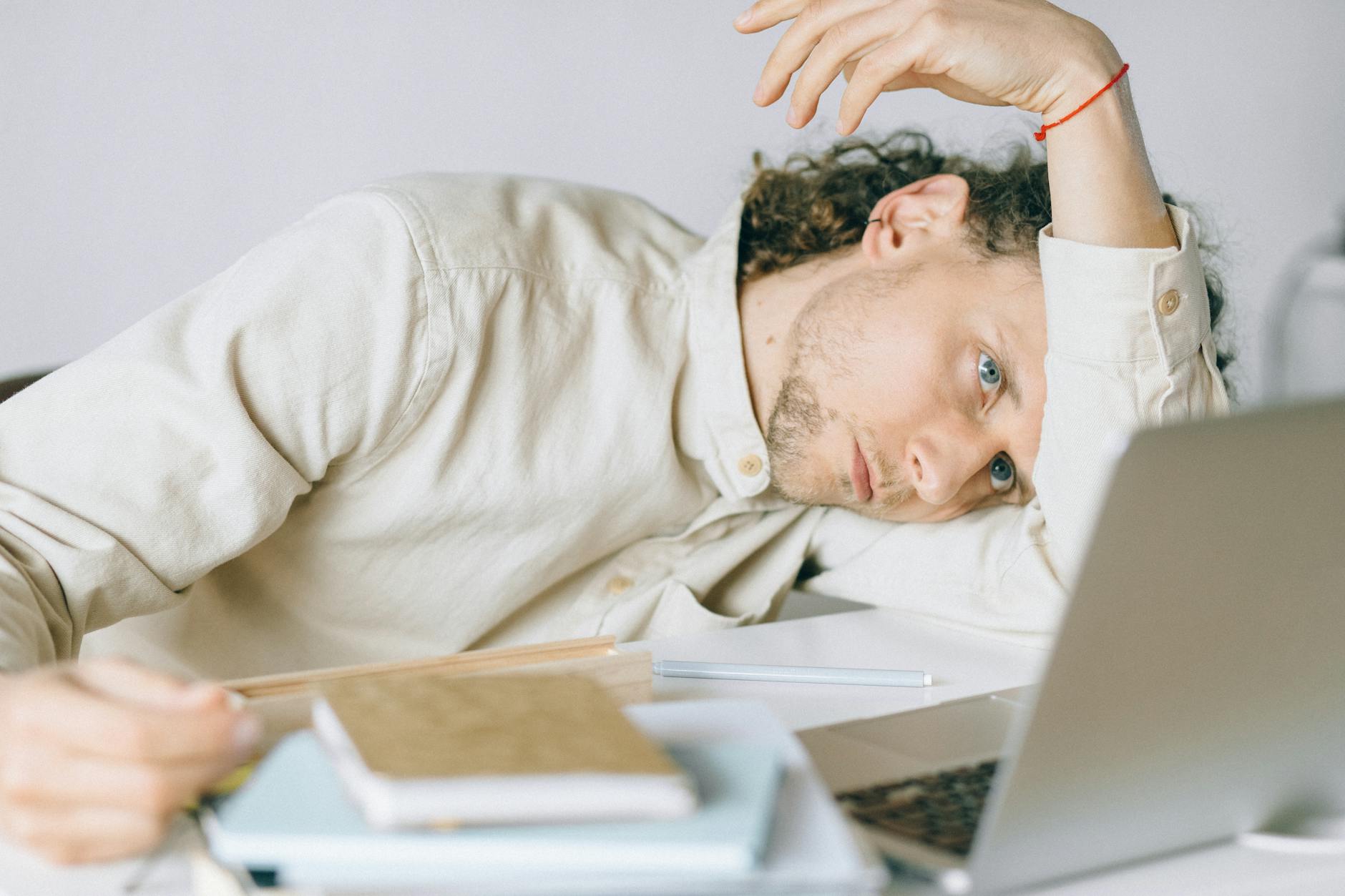
Eye discomfort can feel purely physical, yet stress and anxiety can influence how your eyes feel and how intensely you notice symptoms. Many people look up acupressure points for eyes hoping for gentle relief. It can help to understand what acupressure is, what “eye points” usually refer to, and how stress may be part of the picture.
Why eye symptoms can worsen under stress or anxiety
Stress and anxiety can increase muscle tension in the face, jaw, and neck, and can also change breathing patterns and sleep quality. These shifts may contribute to sensations often described as eye strain: heaviness around the eyes, brow tightness, headaches, light sensitivity, or trouble focusing. Anxiety can also amplify body awareness, making normal fluctuations—dryness after screen time, mild irritation, tired eyes—feel more urgent or uncomfortable.
None of this means your symptoms are “just stress.” It means stress can be a factor that changes severity, frequency, or how your nervous system interprets discomfort.
What people mean by acupressure points for eyes
In traditional East Asian medicine, acupressure involves applying gentle pressure to specific points on the body. When people refer to “acupressure points for eyes,” they usually mean areas around the brow ridge, temples, cheekbones, and the bridge of the nose—places where tension commonly collects during concentration, squinting, or fatigue.
From a practical standpoint, these areas overlap with muscles and connective tissues that can feel sore when you’ve been staring at screens, reading for long periods, or clenching your jaw. The goal many people seek is relaxation and a sense of release, not a direct mechanical change to eyesight.
How to approach acupressure safely and realistically
Acupressure is commonly used as a low-intensity self-care practice, but it should be approached as comfort-focused rather than curative. Pressure near the eyes requires extra caution because the tissues are delicate and the risk of irritation is higher.
If you explore acupressure, keep the focus on gentleness and avoid pressing on the eyeball itself or any area that feels sharp, inflamed, or unusually tender. Consider it one part of a broader strategy to reduce strain and calm your system, not a standalone solution.
Stress-aware habits that often help eye comfort
If stress or anxiety may be involved, pairing any touch-based practice with basic strain-reduction habits tends to be more effective. Useful, low-risk options include:
- Taking regular screen breaks and blinking more intentionally during focused work
- Adjusting lighting and screen contrast to reduce squinting
- Checking posture and relaxing the jaw, shoulders, and brow
- Prioritizing sleep and hydration, which can affect dryness and sensitivity
- Using calming routines (slow breathing, brief walks, or quiet time) to lower overall arousal
These steps support the conditions under which your eyes and surrounding muscles can settle, especially when tension is a driver.
When eye symptoms deserve a professional check
Because eye discomfort has many possible causes, it’s important to notice red flags. Seek prompt medical or optometric care if you have sudden vision changes, significant eye pain, new flashes or floaters, marked redness, injury, or symptoms that persist despite rest and basic adjustments.
If anxiety is a frequent backdrop—racing thoughts, sleep disruption, panic symptoms, or persistent worry—support from a mental health professional can be relevant to physical comfort too. Addressing stress does not replace eye care; it complements it.
FAQ
Can anxiety really make my eyes feel worse?
Yes. Anxiety can increase facial muscle tension, disrupt sleep, and heighten sensitivity to normal sensations, which can make eye strain and related discomfort feel more intense.
Are acupressure points for eyes proven to improve vision?
Acupressure is most often used for relaxation and comfort. It should not be relied on to correct vision changes or replace an eye exam.
Is it safe to apply pressure near the eyes?
Gentle touch around the bony areas (like the brow ridge) is generally considered lower risk than pressing on soft tissue or the eyeball. Avoid anything painful, inflamed, or injured, and get care if symptoms are concerning.