
There are seasons when life narrows. Stress piles up, routines become purely functional, and the emotional world starts to feel smaller than it used to. In those stretches, people often describe a particular kind of tiredness: not just physical fatigue, but the sense that nothing quite “lands” anymore – connection, pleasure, motivation.
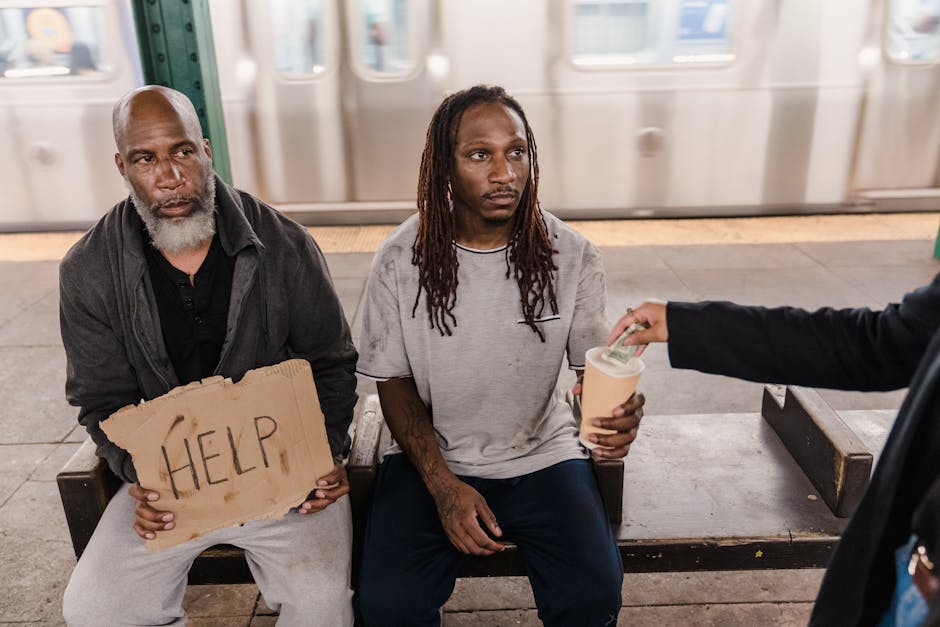
One of the quieter ways people find their way back is through helping someone else. Not as a grand gesture, and not as a personality trait to perform – just a moment of usefulness, a small contribution, a reminder that you can still affect the world in a good direction.
Why helping can shift your internal state
When someone does something kind – checks in on a neighbor, volunteers, offers practical support – there’s often a subtle change in the body’s emotional weather. Many people report feeling lighter, calmer, or more “themselves.” Some research suggests that helping can be linked with brain changes associated with positive mood. But even without the science, the lived pattern is familiar: helping can interrupt rumination.
Rumination tends to thrive in isolation and repetition – same worries, same inner loops, same unsaid fears. Helping introduces movement. It asks you to look outward, to respond to a real person, to engage with a concrete need. That shift doesn’t erase your own stress, but it can loosen its grip for a while.
Belonging is often the real benefit
Altruism is sometimes described as “selfless,” but in everyday life it’s often relational. People don’t just want to do good – they want to feel connected while doing it. Volunteering, mutual aid, and simple neighborly support can create a sense of belonging that many adults quietly miss.
Loneliness isn’t always about being alone; it’s often about feeling unseen, unneeded, or out of sync with the people around you. Helping can restore a sense of place: I’m part of this. Face-to-face community roles – showing up at a food bank, helping at a local group, supporting a colleague – can be especially grounding because they bring you into shared spaces where you’re known over time.
Self-esteem grows through evidence, not affirmations
When people are worn down, they often try to “think” their way into confidence. But self-esteem usually rebuilds through evidence – small experiences that contradict the story that you’re failing, useless, or a burden.
Helping creates that evidence. You witness your own capacity in real time: you followed through, you mattered to someone, you contributed. It’s not about becoming a hero. It’s about remembering you’re still a person with agency.
The difference between generosity and self-erasure
There’s a tender edge here. Some people help because it’s energising and connective. Others help because they feel they’re only acceptable when they’re useful. In leadership roles, caregiving families, and high-responsibility communities, “being the helper” can become a kind of identity trap.
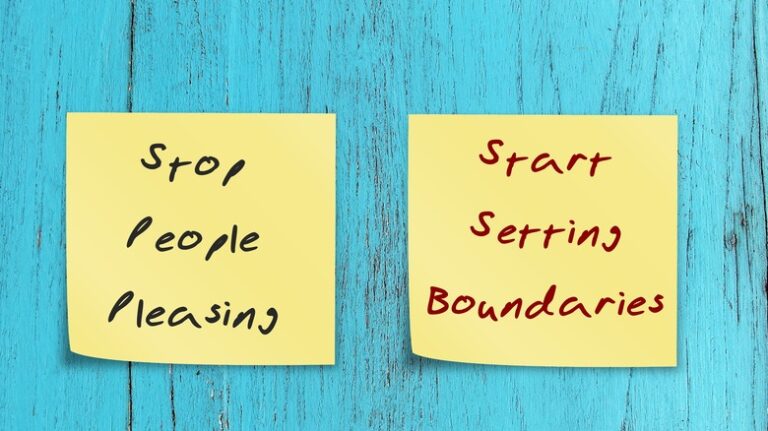
If helping leaves you consistently depleted, resentful, or anxious, it may not be altruism that’s the issue – it may be the absence of boundaries, rest, or reciprocity. Healthy giving usually has a pulse to it: you offer, you recover, you receive support somewhere else. When the flow is one-way for too long, burnout tends to follow.
Community care works best when it’s shared
In resilient groups, support isn’t concentrated in one reliable person. It’s distributed. People take turns. They notice who has been carrying too much. They make it normal to ask for help as well as offer it.
That matters for emotional wellbeing because it reduces shame. When a community quietly communicates “we all need each other sometimes,” it becomes easier to speak up early – before stress hardens into despair.
If you’re struggling, helping doesn’t have to be your way out
Sometimes people reach for altruism as a way to outrun their own pain. And sometimes it does provide a bridge back to life. But it’s also okay if you’re not in a place to give right now. Rest, support, and honest connection are not selfish; they’re part of staying well.
If thoughts of hopelessness or not wanting to be here are showing up, it can help to talk with someone safe and real – someone who can sit with you without trying to fix you quickly. Many people find that support from a trusted person, a community listener, or a mental health professional makes the load feel more shareable. You don’t have to earn care by being useful first.
In the end, the most sustainable kind of altruism tends to look ordinary: small, human, repeatable. The kind that strengthens the threads between people – so that when your own thread starts to fray, there’s something around you that can hold.