
For a lot of people, alcohol doesn’t begin as a “problem.” It begins as a pause. A way to soften the edge of a long day, to feel less tense in a room full of people, to quiet a mind that won’t stop replaying conversations or worries. It can feel like a small, socially acceptable shortcut to relief.
The tricky part is that alcohol often works quickly on the surface – while slowly reshaping what your body and mind need in order to feel steady. Over time, what started as a tool for taking the pressure off can start adding pressure in places you don’t immediately connect to drinking: sleep, motivation, anxiety, confidence, patience, and the ability to cope without something external.
Why it can feel like relief (and why it doesn’t last)
Alcohol tends to reduce inhibition and dull discomfort in the moment. That can be genuinely appealing if you’ve been carrying stress, loneliness, grief, social anxiety, or the quiet exhaustion of always “holding it together.” In that short window, it can create a sense of ease – less self-criticism, fewer sharp emotions, more distance from worry.
But the brain doesn’t treat that relief as free. When the effects wear off, many people notice a rebound: more agitation, flatter mood, irritability, or a low-grade sense of dread the next day. It’s not a moral failure. It’s a common pattern when a substance temporarily shifts your nervous system and then leaves your body working to regain balance.
The invisible trade-offs: sleep, mood, and resilience
One of the most overlooked costs is sleep. Even when alcohol helps you fall asleep faster, it can disrupt the quality of rest – leading to lighter sleep, more wake-ups, and less emotional recovery overnight. And when sleep is thinner, everything else becomes harder: patience shrinks, anxiety grows louder, and everyday tasks feel heavier than they “should.”
Resilience isn’t just willpower; it’s the capacity to recover. When alcohol becomes a regular way to come down from stress, it can crowd out other recovery pathways – movement, conversation, quiet, creativity, time outdoors, meaningful rest. People sometimes describe a narrowing of life: fewer things feel soothing unless alcohol is involved. That’s often when worry begins – not because someone is “out of control,” but because their options for coping have quietly reduced.
When drinking becomes a way of managing feelings
Many people don’t drink most when they’re celebrating – they drink most when they’re trying to manage an internal state: tension, numbness, anger, sadness, shame, or a relentless inner pressure to perform. Alcohol can become a way to avoid feeling “too much,” or to feel anything at all when life has gone emotionally flat.
This is where the cycle can tighten. If alcohol becomes the main strategy for coping, the original feelings don’t get processed – they get postponed. Then they return, sometimes stronger, sometimes tangled with regret or self-judgment. The next drink can start to feel less like a choice and more like a reset button.
Social belonging, leadership pressure, and the stories we tell
Drinking is also woven into belonging. Work cultures, friendship groups, family rituals – sometimes alcohol is the ticket to connection. For people in leadership roles, there can be an extra layer: being “on” all day, absorbing others’ needs, projecting steadiness. Alcohol can become the fastest off-switch. The danger is subtle: the more someone is relied upon, the less space they may feel they have to admit they’re not okay.
In communities, it helps to remember that people rarely change habits because they were shamed into it. They change when they feel safe enough to be honest, and supported enough to try something different without losing their place in the group.
Gentle signs it may be taking more than it gives
-
Drinking feels less like enjoyment and more like relief, escape, or “getting through.”
-
Your mood or anxiety feels noticeably worse after drinking, even if it helped briefly.
-
Sleep is unreliable, and you’re often running on emotional fumes.
-
You find yourself negotiating with yourself about when, how much, or why.
-
People close to you seem concerned, or you’re hiding the full picture to avoid a conversation.
None of these mean someone is broken. They often mean the nervous system is overworked, and a once-helpful habit is now doing a job it can’t sustainably do.
If things feel dark or unsafe
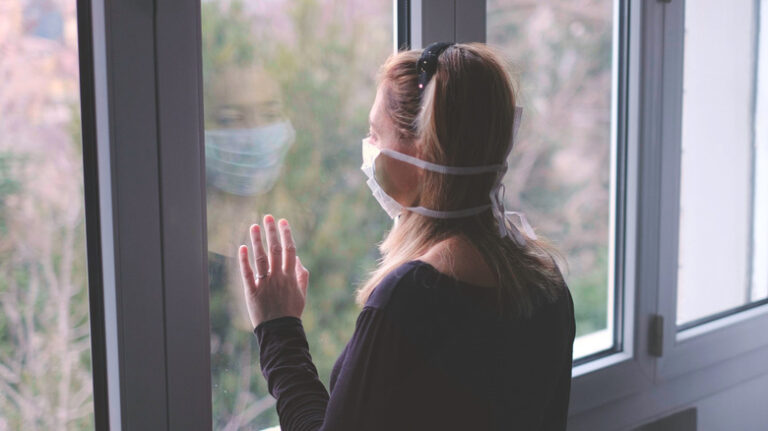
Alcohol can intensify hopelessness and impulsivity for some people, especially when they’re already under strain. If you ever notice thoughts about not wanting to be here, or you feel unsafe with yourself, it’s a sign to bring someone else in – someone trusted, or a professional support line in your area. You don’t have to carry that alone, and you don’t have to “prove” it’s serious enough to deserve help.
What I’ve seen, again and again, is that people often aren’t looking for alcohol – they’re looking for relief, steadiness, and a sense that they can face their life without bracing for impact. When that’s the real need, small shifts in support, routine, honesty, and connection can matter more than sheer self-control. The goal isn’t perfection. It’s widening the ways you can recover – so one shortcut doesn’t become the only road.