

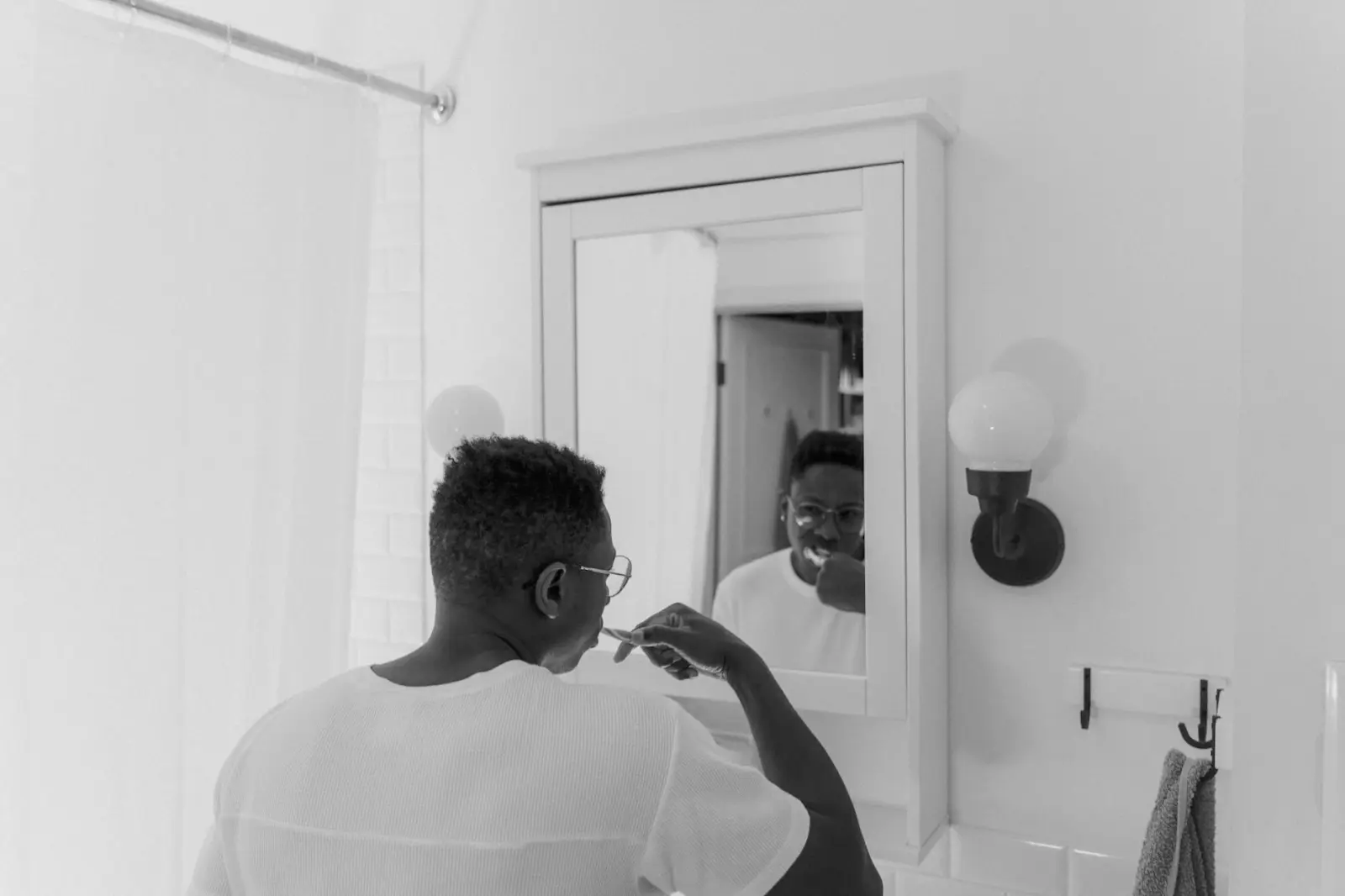
Body image isn’t only about what you see in the mirror. It’s also about what you’ve learned to notice, what you’ve learned to fear, and what you believe your body “says” about your worth. For many people, it becomes a running commentary in the background of daily life – quiet on good days, loud on hard ones.
What makes body image so emotionally powerful is that it sits at the intersection of identity and belonging. It’s rarely just, “Do I like how I look?” It’s often, “Will I be accepted?” “Am I safe from judgment?” “Do I deserve care?” When life feels uncertain, when confidence is thin, or when relationships are strained, the mind can reach for something concrete to manage. The body is visible. The body feels measurable. And that can make it an easy target for control, criticism, or endless “fixing.”
People don’t develop body image concerns because they’re shallow. They develop them because they’re human – sensitive to social cues, hungry for acceptance, and shaped by environments that reward certain appearances while quietly punishing others.
How body image gets tied to emotional safety
In real life, body image often rises and falls with stress. When someone is rested, supported, and feeling steady, they may still have insecurities, but those thoughts don’t dominate. When someone is overloaded – work pressure, family conflict, loneliness, financial worry – the mind tends to narrow. It looks for a problem it can “solve.” Body-focused worry can become a coping strategy: painful, yes, but familiar. And familiarity can feel like safety, even when it hurts.
There’s also a particular sting when body image becomes a stand-in for self-worth. If a person starts believing, “If I look right, I’ll feel right,” then any perceived flaw can feel like evidence of failure. That’s not vanity; it’s a fragile bargain with the self – one that demands constant monitoring and rarely pays out in lasting peace.
The social world: comparison, comments, and quiet rules
Body image doesn’t form in a vacuum. It forms in families, friendships, schools, workplaces, and online spaces – where certain bodies are praised, certain bodies are joked about, and certain bodies are treated as problems to be solved. Sometimes the most damaging messages arrive as “helpful” remarks: a compliment that only lands if you’ve changed, a teasing comment that lingers for years, a well-meant warning about weight that teaches a child their body is a public project.
Social media can intensify this, not simply because of edited images, but because it trains attention. The more a person scrolls, compares, and checks for cues about what is acceptable, the more the mind learns to scan the self for defects. Over time, this can become a habit of self-surveillance – less about beauty, more about avoiding shame.
When it moves from discomfort into something heavier
Most people experience some dissatisfaction with their body at times. But there’s a difference between passing discomfort and a pattern that starts shrinking someone’s life. A useful way to think about it is impact: Does it steal attention from conversations? Does it make meals, social plans, intimacy, or everyday errands feel charged with dread? Does it lead to repeated checking, hiding, compensating, or withdrawing?
When body image becomes constant and consuming, it can be a sign that the person isn’t just wrestling with appearance – they’re wrestling with distress, self-criticism, or a deep fear of rejection. In those moments, what helps most is not more pressure to “love your body” on command, but more support, more steadiness, and more room to be human without performing.
What tends to help, in a non-performative way
People often imagine the goal is to feel confident all the time. In practice, many recover a healthier relationship with their body by aiming for something quieter: less obsession, less cruelty, more neutrality, more respect. They learn to notice the difference between a thought and a truth. They begin to treat harsh inner commentary as information – “I’m stressed,” “I’m seeking control,” “I’m feeling exposed” – rather than as a verdict on their value.
It also helps when someone has at least one place where they’re not being evaluated. A friend who doesn’t comment on bodies. A community that doesn’t treat appearance as currency. A leader or mentor who praises effort, care, and integrity rather than “looking the part.” These environments don’t erase insecurity overnight, but they soften the conditions that keep it burning.
Leadership and community: the tone we set matters
In groups – teams, classrooms, families – body talk spreads quickly. So does body respect. Leaders don’t need perfect language; they need consistent signals about what matters here. When a workplace culture rewards relentless self-optimization, people often internalize the idea that their bodies are never allowed to be “unfinished.” When a community normalizes rest, boundaries, and dignity, people get permission to be more than an image.
Sometimes the most protective thing a person can hear is simple and sincere: “You don’t have to earn your place here by changing your body.”
If body image struggles are starting to feel relentless or isolating, it can be a relief to talk with someone who can hold the weight of it – someone trusted, or a qualified support professional. Not because you’re broken, but because carrying it alone tends to make the inner critic louder. Connection, over time, is one of the most reliable ways people find their footing again.