

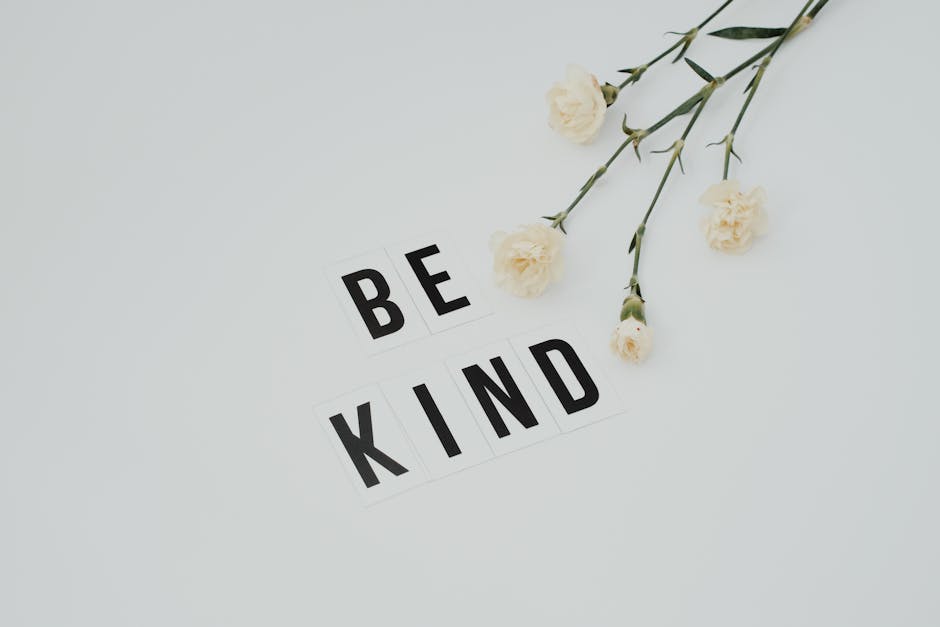
There are moments when a small gesture lands with surprising weight. Someone holds a door, offers a seat, checks in without needing a reason. You might feel your throat tighten or your eyes sting, and it can be confusing – because nothing “major” happened. But your body reacts as if something important just changed.
Often, what changes is the sense of being alone in the world. Under stress, many people move through their days braced for the next demand, the next disappointment, the next piece of bad news. Kindness interrupts that stance. It’s a brief, quiet signal: you’re not invisible here.
That’s part of why kindness became a meaningful theme in public conversations about mental health. Not because it’s a cute add-on to “real” support, but because it touches the social and emotional foundations that help people cope – connection, safety, dignity, and hope.
Why kindness can bring people to tears
When life is steady, kindness feels pleasant. When life is strained, kindness can feel like relief. In periods of uncertainty – financial pressure, grief, burnout, social isolation, workplace upheaval – many people unconsciously lower their expectations of care. They stop assuming others will notice them, help them, or even make room for them.
So when someone does notice, it doesn’t just register as politeness. It can register as protection. As being “held” for a moment. That emotional surge isn’t weakness or overreaction; it’s the nervous system recognizing a drop in threat and a return of belonging. You can’t always think your way into that feeling. Sometimes you have to experience it.
The psychology beneath “small” gestures
Kindness works on multiple levels at once:
-
It restores agency. Stress can make people feel pushed around by circumstances. A kind act – especially one that anticipates a need – can return a sense that the environment isn’t entirely hostile or indifferent.
-
It reduces social vigilance. When people are overwhelmed, they often scan for cues that they’ll be judged, dismissed, or burdensome. Kindness softens that scanning. Even briefly, the mind stops preparing for rejection.
-
It strengthens identity. Being treated with care reinforces a basic message: “I matter.” That message is easy to lose when someone is struggling, unemployed, grieving, or simply exhausted.
-
It creates a ripple of permission. When one person acts warmly, it subtly signals to others that warmth is allowed here. In families, teams, and communities, that permission can change the emotional climate.
Kindness as a form of social infrastructure
People often imagine resilience as an individual trait – grit, positivity, mental toughness. In real life, resilience is frequently relational. It’s built from the small experiences that tell us we’re not facing everything alone.
This is where communities matter. A neighborhood that looks out for people. A workplace where someone notices overload before it becomes collapse. A friend who keeps showing up after the first “How are you?” doesn’t fix anything. These aren’t dramatic interventions. They’re the social infrastructure that makes it easier to endure hard seasons without becoming emotionally stranded inside them.
Leadership psychology: what kindness signals in high-pressure systems
In stressful environments, people take their cues from whoever holds power – managers, team leads, parents, community organizers. When leaders treat kindness as “soft,” the group often becomes more guarded. People hide mistakes, conceal struggles, and compete for safety.
But when leaders practice steady, ordinary kindness – clear communication, fair boundaries, respect, small acknowledgments – people tend to conserve energy. They spend less effort on self-protection and more on problem-solving, cooperation, and creativity. Kindness doesn’t remove pressure. It changes how pressure is metabolized.
When kindness feels hard to give – or hard to receive
It’s also worth naming that kindness can be complicated. Some people find it difficult to accept, especially if they’ve learned to survive by not needing anything. Kindness can stir grief for what wasn’t given earlier, or fear that care comes with strings attached.
And for people who are depleted, giving kindness can feel like another demand. In those moments, kindness might look less like grand generosity and more like restraint: not snapping, not shaming, not disappearing. Sometimes the kindest thing a person can do is to stay human while they’re tired.
If someone is going through a darker stretch – feeling persistently hopeless, disconnected, or like they’re becoming a burden – kindness matters even more, but it’s not a substitute for real support. Gentle connection, honest conversation, and reaching out to trusted people or professional help can sit alongside kindness. The goal isn’t to “fix” someone with positivity; it’s to reduce isolation and increase safety, one real interaction at a time.
Kindness is easy to underestimate because it doesn’t always announce itself. But the body keeps score of being seen. Sometimes an umbrella in the rain, a message that arrives at the right hour, or a quiet act of consideration is enough to remind someone: I’m still part of this world.