

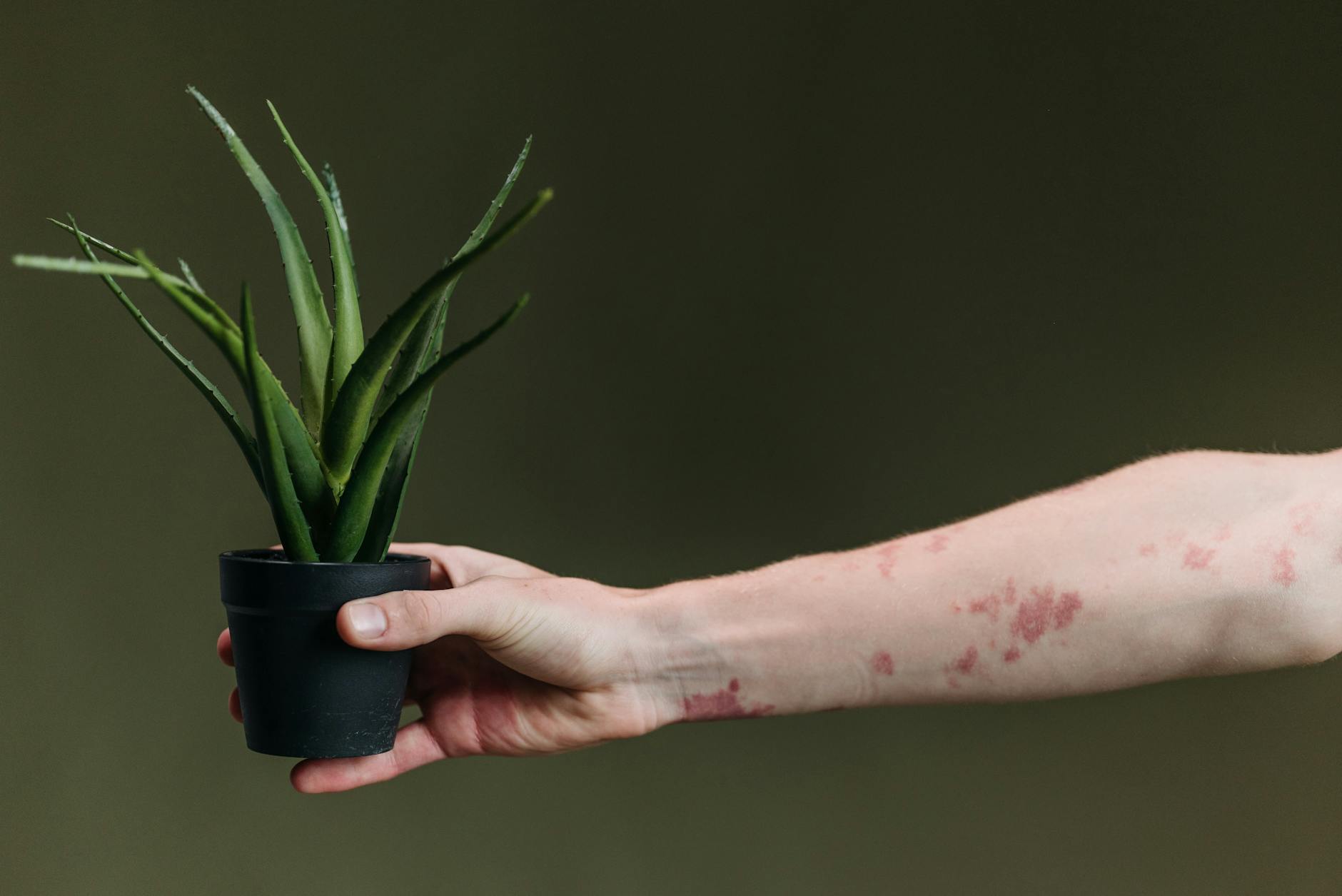
Pokeweed rash is a skin reaction that can follow contact with the pokeweed plant, common in many regions. Even when symptoms are mild, visible discomfort can bring worry, sleep disruption, and social stress. This article focuses on practical, non-alarmist ways to understand the rash and protect your wellbeing while seeking appropriate support.
What pokeweed rash is and why it happens
Pokeweed (Phytolacca americana) is a plant whose sap can irritate skin for some people. A “pokeweed rash” generally refers to redness, itching, or blister-like irritation that may occur after handling the plant, gardening near it, or brushing against it. Reactions vary widely: some people notice only minor redness, while others experience more intense irritation.
Because many outdoor plants can cause similar-looking rashes, it can be hard to identify pokeweed as the cause without considering exposure history. Seasonal yard work, hiking, and community cleanups can increase the chance of contact, especially when the plant is cut or damaged and sap is more likely to reach skin.
The mental and social toll of a visible rash
Skin symptoms often affect more than the skin. Itch and discomfort can disrupt sleep and concentration, which can lower mood and resilience. Visible rashes may also trigger self-consciousness, especially when they appear on hands, arms, face, or neck.
If you feel anxious about what the rash “means” or worry it will worsen, that uncertainty can amplify stress. It can help to name what you are experiencing: a combination of physical irritation and a normal emotional response to discomfort and uncertainty.
When to seek care and how to communicate your concerns
If a rash is rapidly spreading, intensely painful, accompanied by swelling, involves the eyes or mouth area, or you feel generally unwell, it’s reasonable to seek timely medical advice. Even without severe symptoms, consider reaching out if the rash interferes with sleep, work, caregiving, or mental wellbeing.
When talking with a clinician, clear context is useful: where you were, what you touched, and when symptoms began. If you can safely do so, noting the plant you suspect (without bringing plant material into clinics) can help. It’s also appropriate to mention emotional impacts—sleep loss, anxiety, or embarrassment—because these factors influence overall health and support needs.
Wellbeing-focused coping while symptoms run their course
While medical evaluation addresses diagnosis and treatment decisions, your day-to-day wellbeing matters too. Many people benefit from grounding routines that reduce stress reactivity and support rest.
Consider these non-medical supports:
- Keep a brief symptom and sleep log to reduce uncertainty and help you describe patterns to a professional.
- Use clothing choices and scheduling to reduce self-consciousness (for example, planning lower-exposure activities when discomfort is highest).
- Practice low-effort calming tools such as paced breathing or short mindfulness check-ins when itching or worry spikes.
- Lean on practical help from others (childcare swaps, meal support, ride help) if discomfort limits your capacity.
If you notice your mood dropping or anxiety increasing over several days, it may help to speak with a mental health professional, especially if you have a history of anxiety, obsessive checking, or skin-focused distress.
Community education and leadership to prevent future exposures
Pokeweed often appears in shared spaces—vacant lots, park edges, community gardens, and schoolyard perimeters—so prevention can be a community effort. Leaders in neighborhood associations, outdoor clubs, and volunteer cleanup groups can reduce harm by normalizing plant-safety education and reducing stigma when someone develops a rash.
Practical community steps include posting seasonal reminders, encouraging basic protective habits for yard work, and ensuring volunteers know how to identify common irritant plants in the local area. Creating a culture where people can say “I got a rash from a plant” without embarrassment helps others report exposures early and seek appropriate guidance.
What research suggests about plant-related rashes and stress
Research on skin conditions consistently shows a two-way relationship between skin symptoms and mental health: discomfort and visibility can increase stress, while stress can worsen perceived itch and coping capacity. This does not mean symptoms are “in your head”; it highlights why supportive care should consider both physical irritation and psychological strain.
If pokeweed rash becomes a recurring issue because of where you live or work, it may be worth seeking local resources—cooperative extension offices, park services, or environmental health educators—who can provide region-specific plant identification information. Better knowledge can reduce uncertainty and help you feel more in control.
FAQ
Is pokeweed rash contagious?
Plant-related contact rashes are not contagious. They come from irritation or sensitivity after exposure, not from person-to-person spread.
How can I tell if my rash is from pokeweed or something else?
Many rashes look similar. Noting recent outdoor exposure, plant contact, timing of symptoms, and where the rash appears can help a clinician or local plant-education resource narrow the cause.
Can a rash affect mental health even if it is mild?
Yes. Itching, sleep disruption, and visibility can increase stress or self-consciousness. Paying attention to mood and getting support early can make recovery feel more manageable.
What should a community group do if someone reports a plant-related rash after volunteering?
Encourage them to seek appropriate care, document where exposure likely occurred, and use the incident to improve education and safety practices for future activities.