
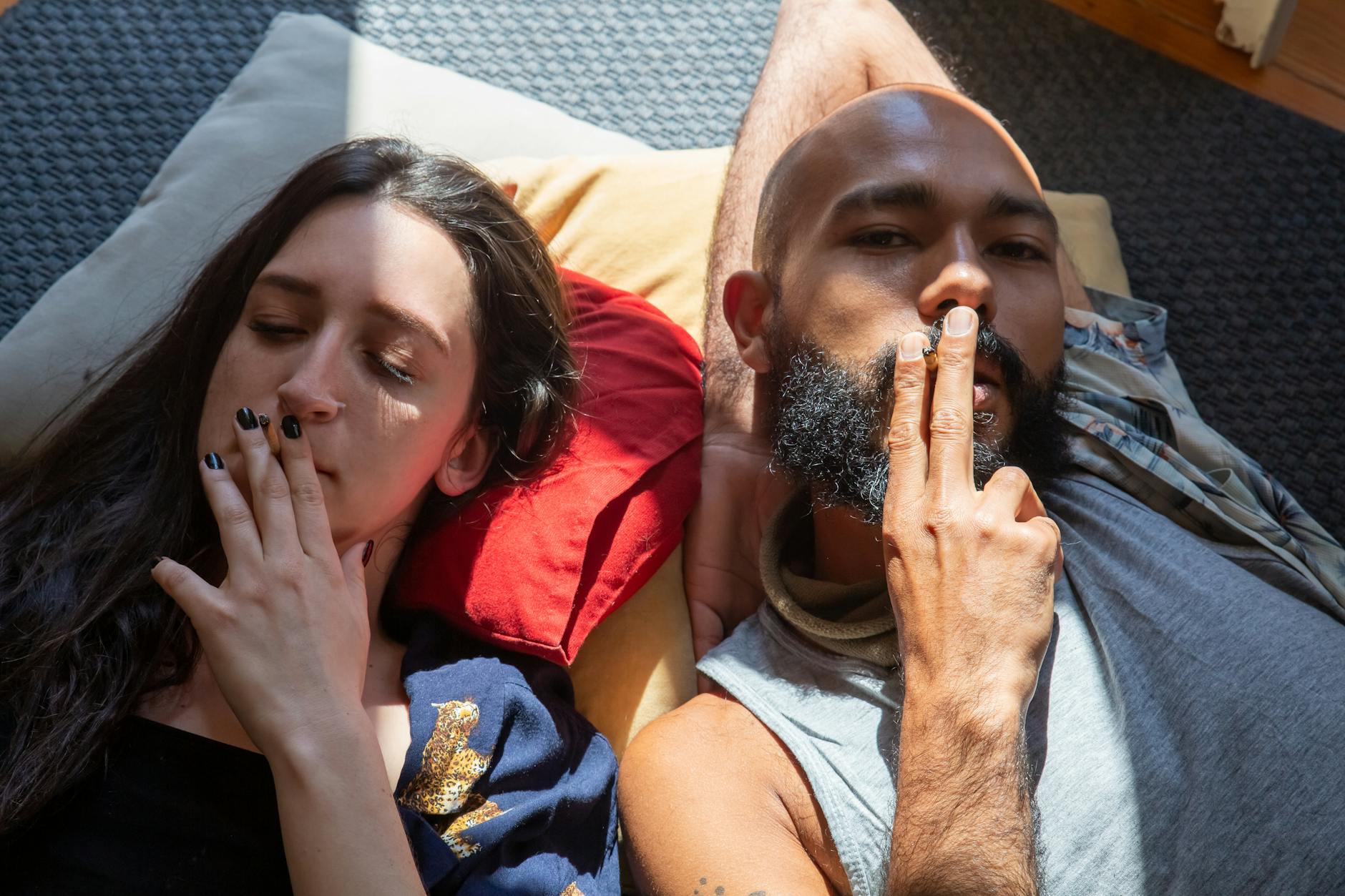
Daily cannabis use can mean different things to different people, from a routine wind-down to a form of coping. The question isn’t only whether it is “bad,” but what it is doing to your mental health, functioning, and relationships over time. A clear look at benefits, trade-offs, and support options can help you make informed choices without stigma.
What “everyday” use can change over time
Using cannabis daily increases the chance that it becomes a default strategy for regulating stress, boredom, or difficult emotions. Over time, some people notice subtle shifts: less emotional range, reduced drive for goals, or more frequent avoidance of discomfort. Daily use can also make it harder to tell what is you and what is the substance—especially when it comes to mood stability, confidence, and resilience.
This doesn’t mean everyone who uses daily will experience harm, but frequency raises the odds that patterns become entrenched. The practical question is whether cannabis is supporting your life—or quietly narrowing it.
Mental health and mood: relief versus reinforcement
Many people report short-term benefits such as relaxation, reduced tension, or temporary escape from rumination. The concern with everyday use is the “relief loop”: cannabis reduces distress quickly, which can unintentionally teach your brain to seek it whenever discomfort shows up. That can crowd out other skills like problem-solving, social support, movement, or therapy-based coping.
For some, daily use is also associated with more irritability between sessions, lower tolerance for stress, or increased anxious thinking. If you find your baseline mood worsening unless you are high, that is a meaningful signal to pause and reassess.
Sleep, motivation, and attention: common trade-offs
Daily cannabis can interact with sleep quality in mixed ways. People may fall asleep faster, yet still wake feeling unrefreshed or find their sleep routine becomes dependent on using. In the daytime, some experience lower initiative, slower follow-through, or “mental fog,” especially when cannabis is used earlier in the day or becomes frequent throughout it.
These effects are not a moral failing; they’re practical outcomes that can influence school, work, parenting, and creativity. If your goals are drifting or your concentration is slipping, it may be worth asking whether cannabis is helping you recover—or helping you avoid.
When everyday use may be a red flag
A simple way to evaluate daily use is to look at control, costs, and consequences. Signs that cannabis may be moving from a choice to a need include:
- You use more than you planned or feel unable to skip a day
- You notice mood dips, irritability, or restlessness when not using
- You’re withdrawing socially or feeling less present in relationships
- Responsibilities are slipping, even if only “a little”
- You keep using despite clear downsides (sleep, anxiety, memory, finances)
None of these automatically mean you have a disorder, but they do suggest it’s time to reflect and possibly seek support.
Practical, supportive ways to reassess your relationship with cannabis
Leadership in wellbeing starts with honest self-audit and compassion, not self-punishment. Consider tracking a few neutral indicators for a couple of weeks—sleep quality, mood, productivity, social connection, and spending—to see what correlates with use. You can also experiment with changing context: using only after key responsibilities, avoiding use when stressed, or choosing days to remain clearheaded, and then noticing what improves or worsens.
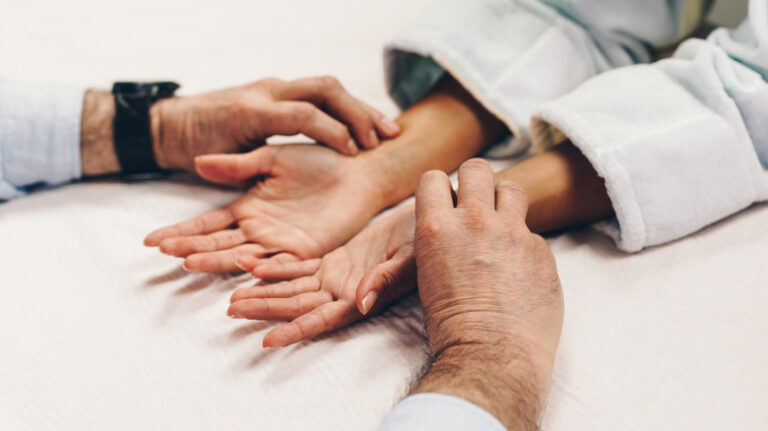
Community support matters. Talking with a trusted friend, peer group, or counselor can reduce shame and clarify what you want from cannabis and what you want from your life. If cannabis is primarily helping you cope with anxiety, loneliness, trauma, or burnout, it may be a sign that additional supports—not just abstinence—are needed.
FAQ
Is daily cannabis use always harmful?
No. But daily use increases the likelihood of dependence, reduced motivation, and mood or sleep issues. The impact depends on your reasons for use, your mental health, and how it affects your functioning.
How can I tell if cannabis is affecting my mental health?
Look for patterns: worsening baseline mood, more anxiety between sessions, irritability when not using, increased avoidance, or noticeable changes in relationships and performance.
What if cannabis helps me feel normal?
That can indicate it’s compensating for untreated stress, anxiety, depression, or burnout. Support from a mental health professional or peer community can help you build additional coping tools and reduce reliance.
What kind of support is available if I want to cut back?
Options include counseling, peer-support groups, and trusted community conversations. Support tends to work best when it focuses on goals, stress skills, and accountability rather than shame.