

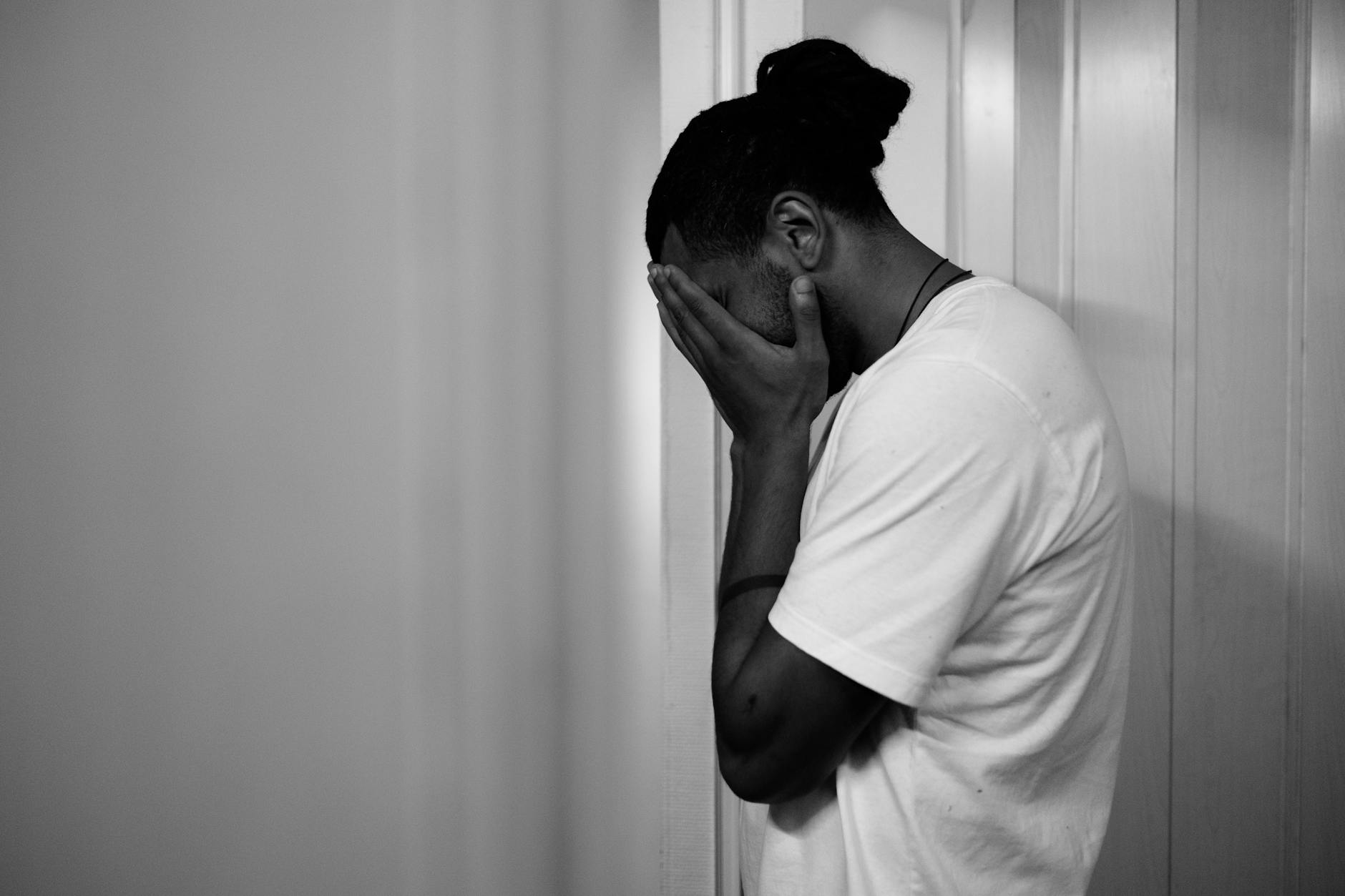
Feeling dizzy when you are exhausted can be unsettling, especially if it seems to come out of nowhere. Tiredness can affect balance, blood pressure regulation, and how you perceive motion. Stress or anxiety can also intensify these sensations, sometimes creating a feedback loop.
How tiredness can lead to dizziness
Fatigue can make the body less efficient at tasks it normally handles quietly in the background, such as maintaining steady attention, coordinating movement, and regulating circulation. When you are sleep-deprived, the brain may process sensory input less smoothly, which can feel like lightheadedness or a slightly “floaty” head. Exhaustion can also be linked with slower reflexes and reduced muscle stability, making normal movements (standing up, turning quickly, walking in dim light) feel less steady.
Where stress and anxiety fit in
Stress and anxiety can change breathing patterns, muscle tension, and how strongly you notice body sensations. For some people, anxiety triggers shallow or faster breathing, which can shift the balance of oxygen and carbon dioxide in a way that feels like dizziness or tingling. Stress hormones may also heighten alertness and sensitivity, so minor imbalance or fatigue-related sensations feel bigger and more alarming. That worry can then increase tension and amplify the dizziness, even if the original trigger was simply being overtired.
Common patterns that suggest a fatigue or stress link
Dizziness related to tiredness, stress, or anxiety often follows predictable patterns tied to lifestyle rhythms and emotional load. You might notice it more at the end of a long day, after poor sleep, during high-pressure periods, or in crowded or overstimulating environments.
- It improves after rest, eating regularly, or stepping away from stimulation
- It shows up with tension symptoms such as tight neck/jaw, headaches, or chest/shoulder tightness
- It appears alongside worry, racing thoughts, or feeling “on edge”
- It is worse when you focus on it and better when attention is gently redirected
Other contributors that can overlap with tiredness
Dizziness is a broad symptom, and fatigue can coexist with other factors. Dehydration, missed meals, low iron, infections, migraines, medication side effects, and inner ear problems can all cause dizziness and also leave you feeling worn out. Alcohol, cannabis, and high caffeine intake can complicate sleep quality and balance. If the dizziness is new, changing, or hard to explain, it is reasonable to consider that more than one factor may be at play.
When it is worth getting checked
It can be helpful to speak with a clinician if dizziness is recurrent, interferes with daily life, or does not match your usual fatigue or stress pattern. Seek prompt medical attention if dizziness comes with fainting, chest pain, severe headache, shortness of breath, new weakness or numbness, confusion, vision or speech changes, or difficulty walking. These features can signal causes that should not be attributed to stress, anxiety, or tiredness alone.