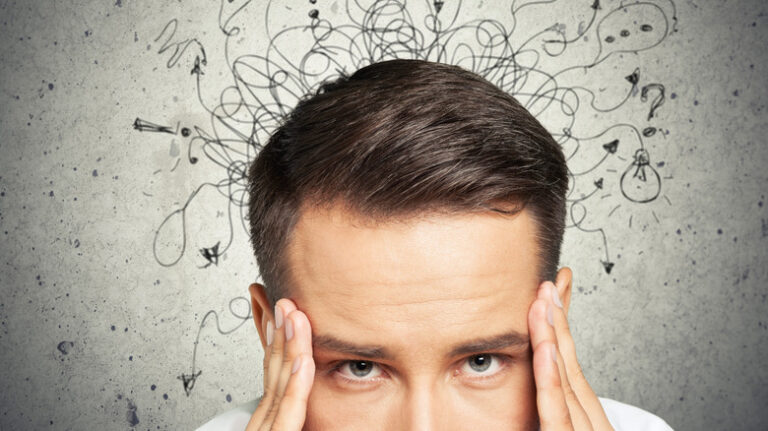

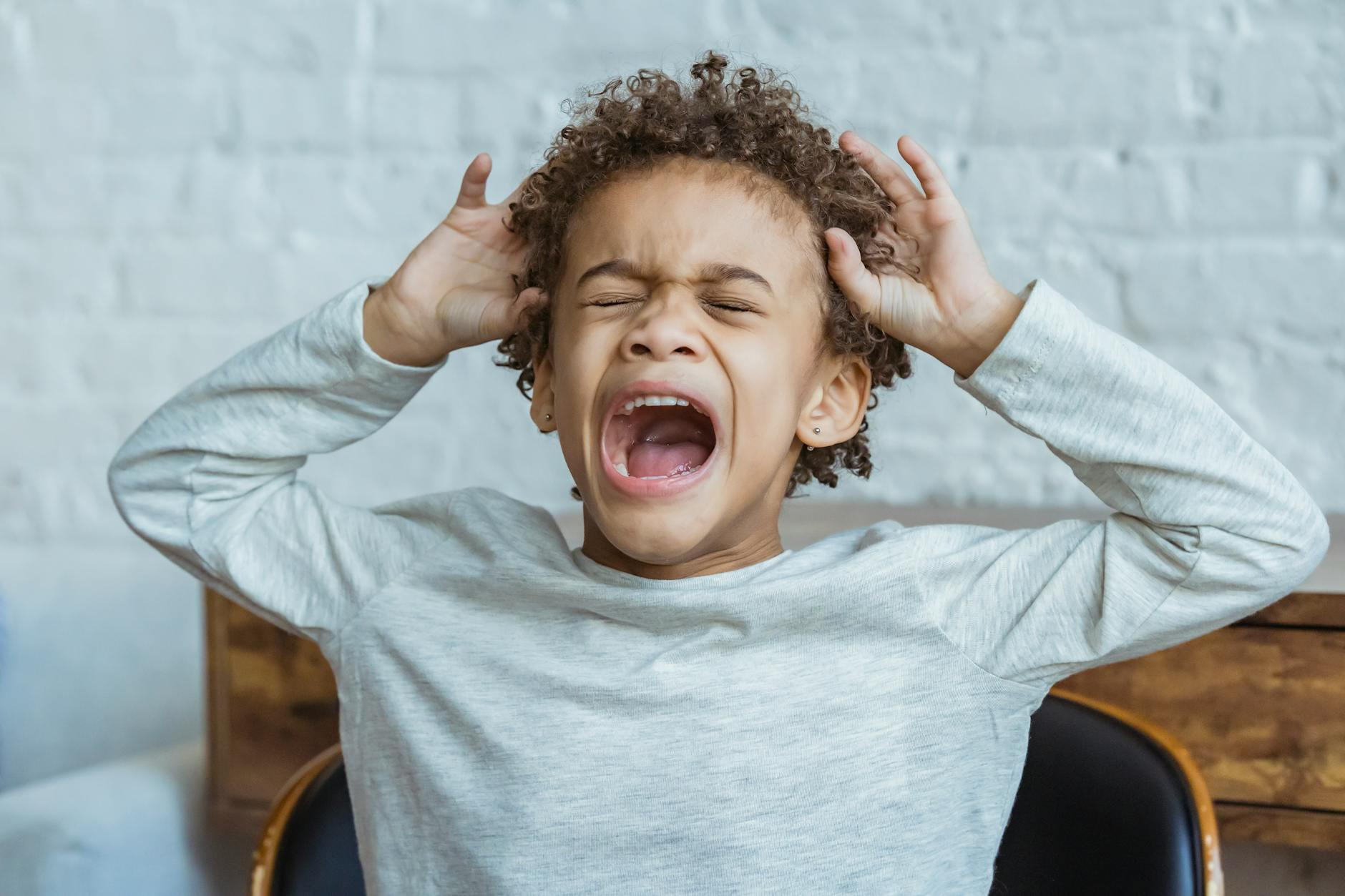
A headache after crying is common and can feel confusing, especially if the crying episode was tied to stress or anxiety. Several body systems change during emotional distress, and those shifts can set the stage for head pain. Understanding the likely mechanisms can help you respond calmly and notice patterns over time.
Why headaches can happen after crying
Crying is a full-body stress response, not just an emotional one. Breathing patterns often change, facial and jaw muscles tense, and the nervous system shifts into a more activated state. These changes can contribute to head pain through muscle tension, changes in blood flow, and irritation of sensitive nerves around the face and head.
Tears can also lead to a congested, “heavy head” feeling. Swelling of nasal tissues and sinus pressure are common during and after crying, particularly if you’re prone to allergies or sinus sensitivity.
How stress and anxiety can amplify post-crying headaches
Stress and anxiety can raise baseline muscle tension in the neck, shoulders, scalp, and jaw. When crying is layered on top of that tension, the combination can resemble a tension-type headache or make an existing headache disorder more noticeable.
Anxiety can also change how you breathe, sometimes leading to faster, shallower breaths. For some people, these shifts can contribute to lightheadedness or head pressure and may make the nervous system more reactive to sensations after an emotional event.
Common triggers that travel with crying episodes
A headache after crying isn’t always caused by the tears themselves. It’s often the context: a long day, disrupted routines, or built-up emotional strain. Common contributors include:
- Dehydration or not eating regularly
- Poor sleep or irregular sleep timing
- Jaw clenching or teeth grinding, especially during stress
- Screen strain and fixed posture before an emotional moment
- Nasal congestion from crying, allergies, or a cold
If headaches after crying happen repeatedly, noticing which of these factors are present can be more useful than focusing on a single cause.
Practical ways to feel better without overcorrecting
Many people find that gentle, low-effort comfort measures help the nervous system settle after crying and may ease head pain. This might include resting in a quiet space, adjusting lighting, or using soothing temperature (cool or warm) on the face or neck if it feels comforting.
It can also help to give your body time to come down from the stress response. After intense emotion, it’s normal for sensations to linger—tight muscles, heavy eyelids, or a “hungover” feeling—before things return to baseline.
When to consider medical guidance
Occasional headaches after crying are often benign, but it’s worth discussing with a clinician if they become frequent, severe, or disruptive. Seek prompt evaluation if a headache is sudden and unusually intense, comes with fainting, confusion, weakness, vision changes, fever, or neck stiffness, or follows a head injury.
If crying is frequently linked to overwhelming stress or anxiety and headaches are part of a broader pattern—sleep changes, panic symptoms, or persistent tension—support from a healthcare or mental health professional may help address both the emotional trigger and the physical symptoms.
FAQ
Can crying trigger a migraine?
For some people, intense emotion and the physical changes that come with crying can act as a trigger, especially if you already have migraines. A clinician can help you sort out whether your symptoms fit migraine versus other headache types.
Why does my head hurt around my eyes after crying?
Crying can cause nasal and sinus tissue to swell, leading to pressure around the eyes and forehead. Facial muscle tension and irritation of sensitive nerves in the area can also contribute.
Is a headache after crying a sign of anxiety?
Not necessarily. However, anxiety can increase muscle tension and change breathing patterns, which may make post-crying headaches more likely or more intense, especially if it happens repeatedly.
How can I tell if it’s tension headache or something else?
Tension-type headaches often feel like pressure or tightness on both sides of the head and may come with neck or jaw tension. If headaches are new, changing, one-sided with throbbing, or associated with neurological symptoms, it’s a good idea to seek medical input.