
For many people, menopause isn’t experienced as a single “health event.” It lands inside a real life already in motion – work pressure, caring responsibilities, changing relationships, financial stress, grief, teenagers leaving home, parents needing support, or a long stretch of putting everyone else first. When that’s the backdrop, emotional changes can feel less like a neat symptom list and more like a slow reshaping of how you cope, connect, and recover.
It can also be strangely disorienting. Someone may recognise their body is changing, yet feel most unsettled by what’s happening to their confidence, patience, motivation, or sense of steadiness. People often describe a gap between “I know what’s going on” and “why does it still feel like I’m not myself?” That gap matters, because it’s where shame and self-doubt can quietly grow – especially if the people around them minimise it or expect them to carry on unchanged.
Menopause and perimenopause can affect emotional wellbeing in ways that are both direct and indirect. Hormonal shifts can be part of the picture, but so can the ripple effects: disrupted sleep, chronic fatigue, changes in libido and intimacy, a body that feels less predictable, and the stress of trying to perform normally while feeling internally scrambled.
When your nervous system never quite gets to “off”
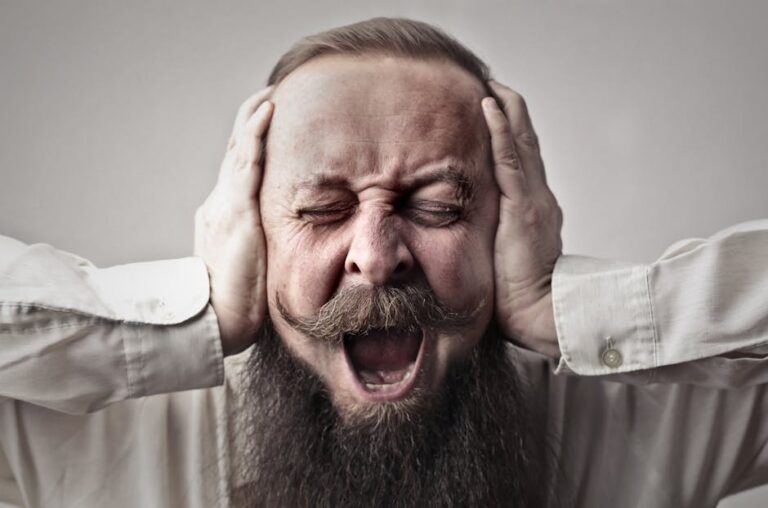
A common pattern is a kind of accumulated strain. Sleep disturbance alone can make anyone more emotionally reactive – less able to tolerate noise, conflict, uncertainty, or even ordinary decision-making. Add in hot flushes, night sweats, or a sense of physical discomfort, and the body can start behaving as if it’s under constant threat. When the nervous system stays on high alert, people may notice:
- more irritability, or a shorter fuse with loved ones
- tearfulness that feels “out of proportion” to the moment
- anxiety that arrives suddenly, without a clear trigger
- difficulty concentrating, remembering, or finding words
- less resilience after setbacks – things that used to roll off now stick
None of this means someone is “failing.” It often means their recovery time has changed. When recovery gets squeezed, the mind does what it can: it simplifies, it withdraws, it becomes more vigilant. That’s not a character flaw; it’s a protective response that can become exhausting if it’s the only mode available.
The emotional load of identity shifts
Menopause can stir up questions people didn’t expect to face – about ageing, attractiveness, fertility, usefulness, sexuality, and how they’re seen. Even people who feel clear that they don’t want children, or who welcomed the end of periods, can still find that the transition touches something tender. It can bring up old narratives: “I’m past it,” “I’m invisible,” “I should be coping better,” “I’m becoming difficult.”
These narratives are often social as much as personal. In many workplaces and families, menopause is still treated as a private inconvenience rather than a legitimate life transition. When people feel they have to hide what’s happening – masking fatigue, pretending their memory is fine, laughing off distress – they can start to feel isolated inside their own life.
Relationships: where strain shows up first
Menopause can change how someone relates to their partner, friends, children, colleagues, and themselves. Sometimes the hardest part isn’t the symptom – it’s the misunderstanding around it. If someone’s mood shifts, they may be labelled “snappy” or “dramatic” rather than supported. If they pull back socially, others may interpret it as disinterest, when it’s really self-protection or sheer depletion.
Intimacy can become complicated too, not only physically but emotionally. People may grieve the ease they used to have, or feel pressure to “fix it” quickly. When a couple can talk without blame – when both people can hold the idea that this is a season, not a verdict – relationships often fare better. When there’s silence, people tend to fill the gaps with assumptions.
Work, leadership, and the hidden effort of “still performing”
In leadership roles, menopause can collide with expectations of steadiness and stamina. Many high-functioning people are used to pushing through, and they may interpret new limits as weakness. But what often changes is not capability; it’s the cost of maintaining it.
Some people become more risk-averse because their confidence is shaken. Others become more blunt because they have less energy for social smoothing. Neither response is inherently “wrong,” but both can create friction if the environment has no language for what’s happening. The most resilient teams tend to be the ones where there’s room for honest, non-embarrassing conversations about strain – without turning someone’s personal experience into office gossip or a performance issue.
Why community support can be protective
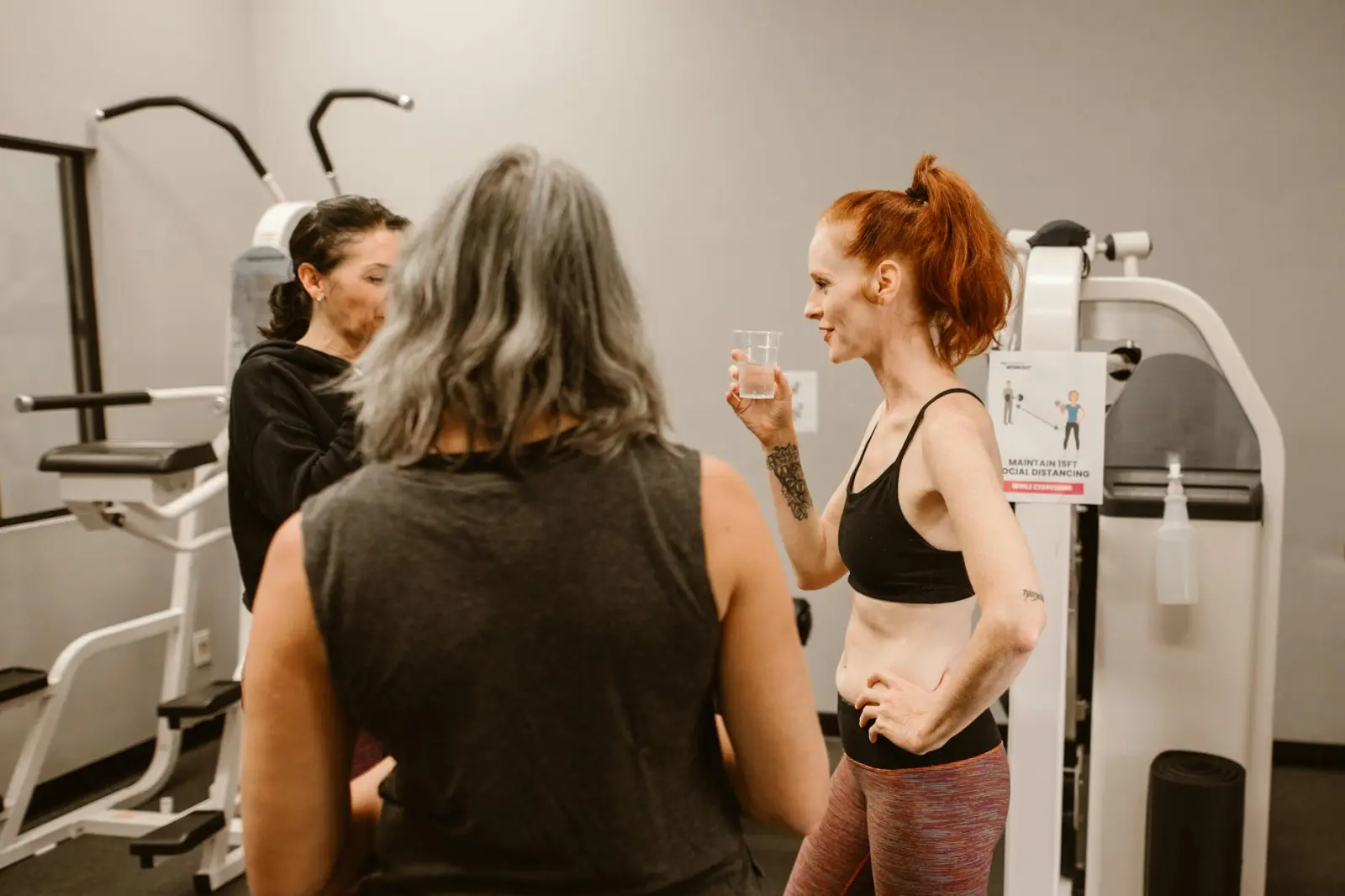
One of the most consistent buffers against emotional overwhelm is not willpower – it’s belonging. A single validating conversation can interrupt weeks of private worry. People often do better when they have:
- someone who listens without trying to minimise or “silver-line” it
- permission to rest without having to justify it
- practical flexibility from family or colleagues during rough patches
- spaces where menopause is spoken about without shame
Support doesn’t need to be dramatic to be effective. It can be as simple as a friend who checks in, a partner who takes on more during a bad week, or a manager who believes someone the first time they say they’re struggling.
When distress feels bigger than menopause
Sometimes menopause coincides with deeper emotional pain – old trauma resurfacing, longstanding anxiety, or a depressive pattern that becomes harder to manage when sleep and energy are disrupted. It can be difficult to tell what’s “temporary turbulence” and what’s a more persistent struggle, especially when someone is trying to keep life moving.
If feelings start to become frightening or hopeless, or if someone finds themselves thinking about not wanting to be here, it’s a sign to bring other people in – someone trusted, and ideally a qualified professional who can offer steady support. Many people have these thoughts in moments of overload; they’re often less about wanting life to end and more about wanting the pain, pressure, or exhaustion to stop. Those moments deserve care and connection, not secrecy.
Menopause is not just a biological transition; it’s a human one. People tend to cope best when they’re not forced to carry it alone, when their experience is taken seriously, and when they’re allowed to change – without being judged for it.