
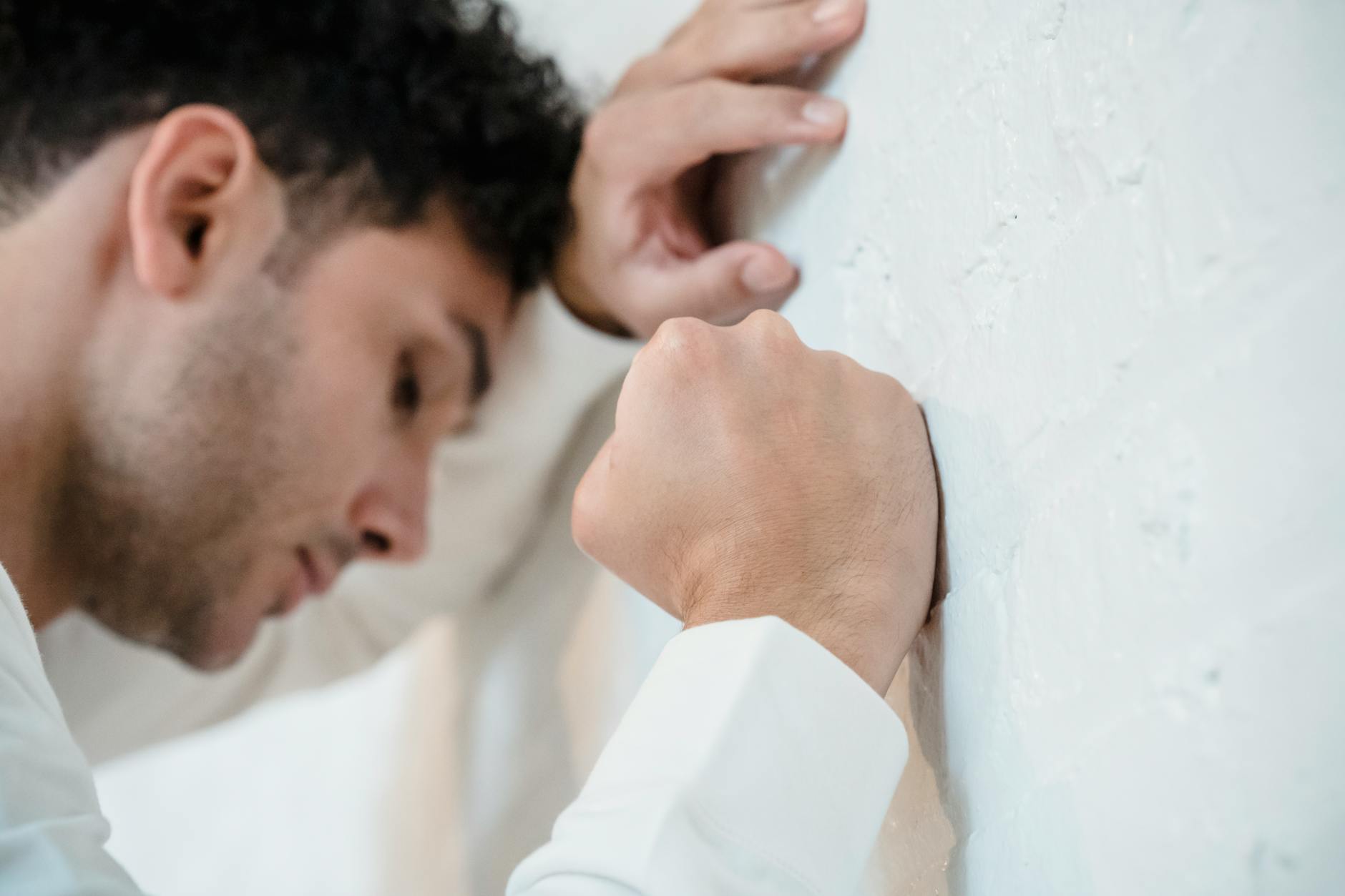
Head pressure that shows up when you lie down can be uncomfortable and distracting, especially at night. Sometimes it relates to posture, sleep environment, or congestion. Stress and anxiety can also amplify body sensations and make pressure feel more intense.
What head pressure when lying down can feel like
People describe this sensation as a heavy or tight feeling, fullness behind the eyes, or a “band” of pressure around the head that becomes more noticeable when the room is quiet. It may come and go, build gradually, or feel linked to certain positions. Noticing patterns—when it starts, how long it lasts, and what changes it—can be more useful than trying to “push through” it.
Why lying down can make pressure more noticeable
Lying down changes blood flow, muscle support, and how you perceive internal sensations. Pillows that angle the neck or jaw awkwardly can increase muscle tension in the scalp, temples, and upper neck. Nighttime also reduces distractions, so normal sensations can feel louder. If you’re congested, pressure in the face and head may feel stronger when you’re horizontal.
How stress and anxiety can contribute
Stress and anxiety can tighten the jaw, neck, and scalp muscles, which may create a pressure-like sensation. They can also heighten attention to bodily feelings (sometimes called hypervigilance), making mild pressure feel urgent or hard to ignore. Sleep disruption, shallow breathing, and rumination can form a feedback loop: discomfort increases worry, worry increases tension, and tension increases discomfort.
Practical, low-risk ways to reduce discomfort at bedtime
These approaches focus on comfort and reducing strain rather than treating a medical condition.
- Try a neutral head and neck position by adjusting pillow height so your nose points roughly toward the ceiling (on your back) or stays aligned with your spine (on your side).
- Check for jaw clenching: let the tongue rest on the roof of the mouth and allow the teeth to separate slightly.
- Use a brief wind-down routine (dim lights, reduce screens, quiet activity) to lower arousal before you get into bed.
- If your mind is racing, jot down tomorrow’s tasks and one “next step” for each to offload mental pressure.
- Consider gentle relaxation practices such as slow, comfortable breathing or a short body scan to soften muscle tension.
- If congestion is a factor, keep the room comfortably humid and consider whether allergens (dust, pet dander) in bedding could be contributing.
When to get medical advice
Head pressure can have many causes, and it’s reasonable to seek advice if it’s new, worsening, or disrupting sleep. Contact a healthcare professional urgently if you notice severe or sudden symptoms, neurological changes (such as weakness, confusion, trouble speaking, or vision changes), a high fever with stiff neck, head injury, or a sudden “worst ever” headache. For non-urgent but persistent pressure—especially if it’s frequent, wakes you from sleep, or comes with nausea, balance changes, ear symptoms, or sinus problems—an evaluation can help clarify what’s going on and what to do next.
FAQ
Can anxiety cause head pressure even if I’m not having a panic attack?
Yes. Ongoing stress can increase muscle tension and make you more aware of normal bodily sensations, which can feel like pressure even without panic symptoms.
Why does it feel worse right when I turn the lights off?
With fewer distractions, the brain often “turns up the volume” on internal sensations. If you’re tired or worried, that heightened attention can make pressure feel stronger.
Is it normal for head pressure to change with different pillows or positions?
It can be. Neck angle, jaw position, and upper-back support affect muscle tension and can change how pressure feels. Noticing consistent triggers can be helpful information to share with a clinician if needed.