

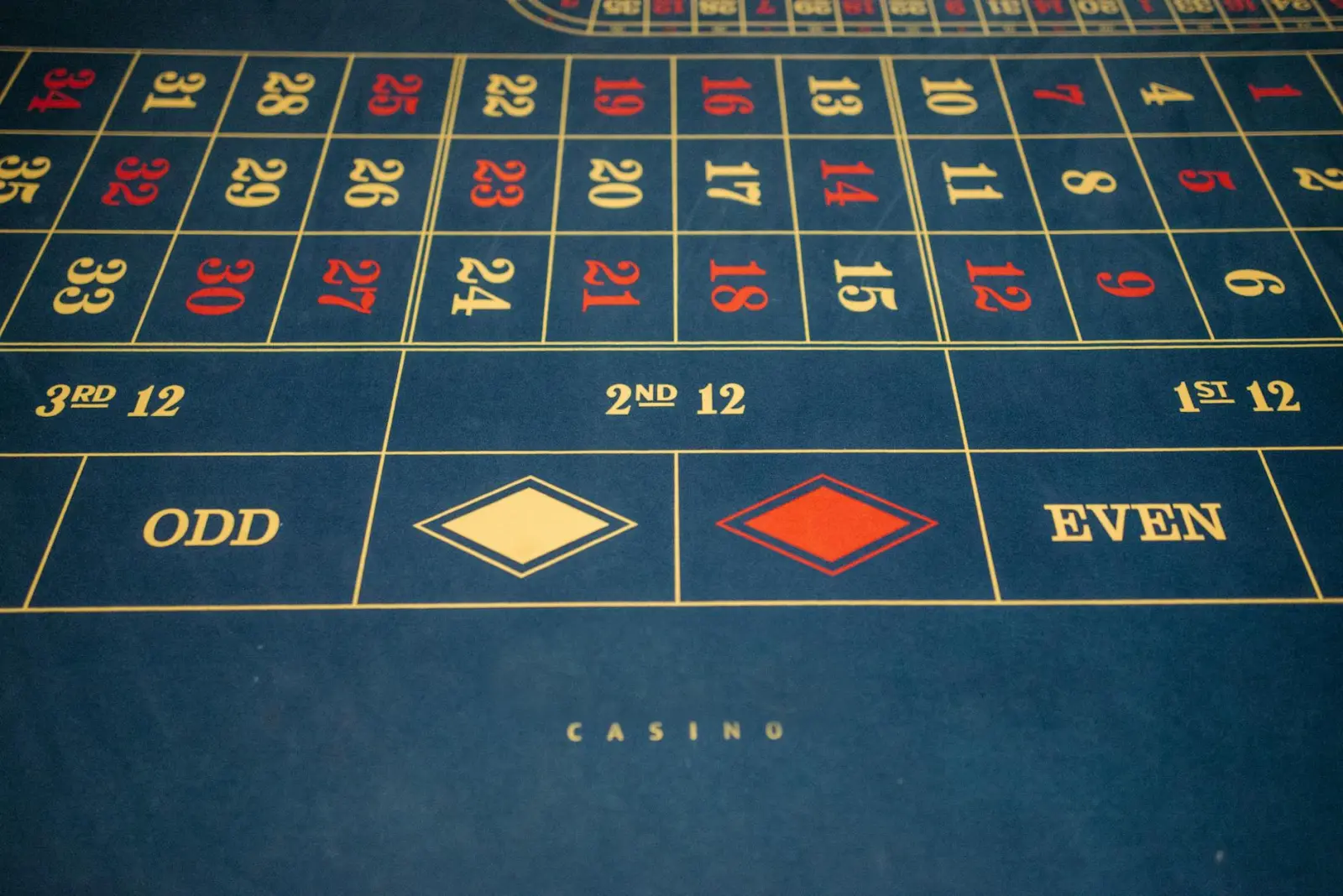
Most people don’t start gambling because they want to lose control. It often begins in ordinary places: a bit of excitement, a social moment, a way to switch off after a heavy week, a small hope that something could finally “turn around.” For a while it can even feel like relief – an interruption to worry, loneliness, or pressure.
The difficult shift is when gambling stops being a pastime and starts behaving like a coping strategy. Not because someone is weak or reckless, but because the mind learns fast: intensity can temporarily drown out stress. And when life feels uncertain, intensity can feel like certainty – even if it’s risky.
What I’ve seen again and again is that the harm isn’t only financial. It’s emotional. It’s the slow erosion of trust in yourself, the private shame, the constant mental arithmetic, the sense that you’re living two lives: the one people see, and the one you’re managing alone.
The emotional “logic” that keeps people stuck
Gambling has a particular psychological pull because it offers a powerful mix of hope and escape. Hope is not a small thing. When someone feels boxed in – by debt, by responsibility, by a lack of meaning, by a relationship that’s grown cold – hope can feel like oxygen. Gambling can imitate hope: maybe this time, maybe I can fix it, maybe I can prove I’m not failing.
At the same time, it can function like a fast-acting distraction. The brain narrows to the immediate moment: the bet, the spin, the next outcome. For someone carrying anxiety, grief, burnout, or loneliness, that narrowing can feel like relief. The problem is that relief fades quickly, and what returns afterward is often heavier: self-criticism, panic, and the urge to escape again.
This is one reason people can look “fine” on the outside while feeling increasingly trapped inside. The cycle is quiet and self-reinforcing: stress leads to gambling, gambling leads to consequences, consequences lead to more stress, and shame makes it harder to reach for support.
When it starts affecting mood and self-worth
People often describe a change in their inner weather. They become more irritable, restless, or emotionally flat. Sleep can be disrupted – not only by time spent gambling, but by rumination: replaying decisions, imagining how to recover losses, fearing what might be found out.
There’s also a particular kind of self-talk that shows up: harsh, repetitive, and absolute. I’ve ruined everything. I can’t be trusted. I’m a burden. Even when these statements aren’t true, they can feel true in the aftermath of a loss, especially if someone is already carrying low self-esteem or chronic stress.
And because gambling is so often hidden, people can become isolated at the exact moment they need steadiness from others. Isolation doesn’t just remove support – it changes perspective. Problems start to feel unsolvable when you’re the only one looking at them.
Relationships: the second injury
Many of the deepest wounds show up in relationships, not because people don’t care, but because secrecy becomes a survival tactic. Someone may lie to avoid conflict, to protect a partner from worry, or to buy time while they try to “fix it” privately. Over time, that secrecy can create distance, suspicion, and a painful mismatch between what’s said and what’s felt.
For families and friends, it can be confusing. They may swing between anger and fear, or between wanting to help and wanting to step back. It’s common for trust to become the central issue – but underneath the trust issue is often a person who feels ashamed and cornered, and a family system that’s exhausted and unsure what is real.
Support tends to work better when it’s grounded in boundaries and dignity: taking the situation seriously without reducing the person to the situation.
Work, leadership pressure, and the need to appear “fine”
Gambling problems don’t only happen in chaos; they can also grow in high-functioning lives. People in leadership roles sometimes feel they must be composed, decisive, and unshakeable. If they’re struggling – financially, emotionally, or both – gambling can become a private outlet that feels controllable compared with the messy realities of vulnerability.
But leadership psychology has a shadow side: when someone believes they must never need help, they often wait until the cost is high. In workplaces and communities, cultures that reward constant performance can unintentionally push struggling people further underground.
In healthier cultures, asking for support is treated as a form of responsibility, not failure.
If you’re worried about your own gambling
A gentle but important question is: What is gambling doing for me emotionally? Not what it costs, but what it temporarily provides – relief, hope, belonging, numbness, adrenaline, a break from self-judgment. When people can name the emotional job gambling has been doing, they’re often closer to finding other forms of support that don’t leave them feeling worse afterward.
Another sign that deserves care is when gambling starts to feel compulsive or urgent – when it’s less about enjoyment and more about chasing a feeling, chasing losses, or trying to quiet an internal storm. That urgency can make it hard to think clearly, and it can also make people more vulnerable to despair.
If you’re affected by someone else’s gambling
It’s painful to watch someone you care about spiral, especially when honesty has been damaged. Many people try to help by tightening control – monitoring, interrogating, rescuing financially. Sometimes those responses come from love and fear, but they can also accidentally deepen secrecy and shame.
What tends to help more is steady, reality-based support: clear limits, calm communication, and encouragement toward outside help rather than trying to become the entire support system yourself. It’s also reasonable to acknowledge your own stress. Living alongside gambling-related chaos can create ongoing anxiety, hypervigilance, and exhaustion.
You’re allowed to seek support for yourself, not as a betrayal, but as a way to stay grounded.
When things feel dark or frightening
There are moments when gambling-related stress can tip into hopelessness – especially if someone feels trapped, ashamed, or terrified about consequences. If you or someone you know is having thoughts about not wanting to be here, it matters to treat that as a sign to bring in more support, not a secret to carry alone. Even one steady conversation can reduce the sense of isolation that makes those thoughts louder.
If you’re in immediate danger or feel you might act on those thoughts, contacting local emergency services or a crisis line in your country can provide urgent, human support. If you’re not sure where to start, many regions have 24/7 suicide prevention helplines, and gambling support services can also help you find the next right connection.
People can and do come back from this. Not by “fixing” everything overnight, but by breaking the isolation, reducing shame, and rebuilding stability one honest step at a time.