
When people talk about “looking after your mental health,” the conversation often becomes abstract – mindset, boundaries, resilience. But many of the shifts people notice first are surprisingly physical: sleep changes, restless energy, a heavy body, a mind that won’t settle. In real life, emotional strain doesn’t stay neatly in the head. It moves through the nervous system, posture, appetite, attention, and motivation.
That’s one reason physical activity can matter in ways that feel simple but profound. Not because it “fixes” anything, and not because everyone needs the same routine, but because movement can gently interrupt the stuckness that stress creates. It can offer a small, repeatable experience of doing something kind for yourself – especially on days when thinking your way out of a mood isn’t working.
Why movement can change how a day feels
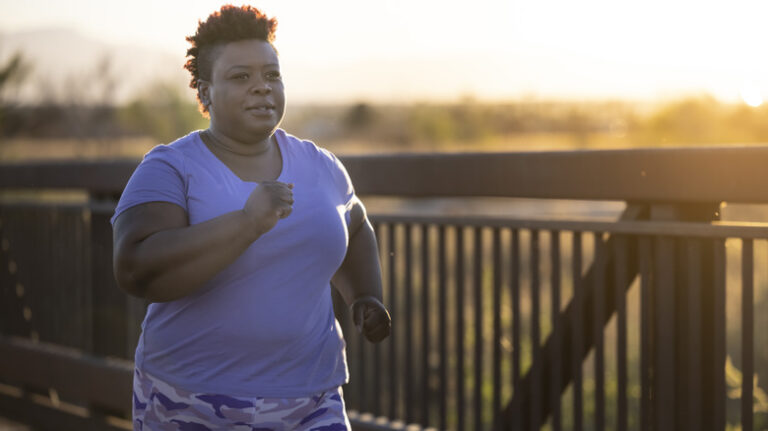
Many people describe the early stages of overwhelm as a narrowing: your focus shrinks to what’s urgent, your body braces, and your world gets smaller. Movement – walking, stretching, dancing in a kitchen, cycling to the shop – can widen things again. It changes your sensory input. It shifts your breathing. It gives the mind something rhythmic to track besides worry.
There’s also a quiet psychological effect: activity can rebuild a sense of agency. When life feels uncertain, choosing to move (even briefly) is a vote for “I can still influence my state.” That’s not a cure, but it can be a stabiliser – especially when confidence has been eroded by prolonged stress.
Not all activity is “self-care” in the same way
It’s easy for wellbeing advice to accidentally become another standard to meet. Some people already live in high-output mode – busy jobs, caregiving, constant responsibility. For them, “more” isn’t always better. The most supportive form of movement might be the kind that downshifts the system rather than revving it up: a gentle walk, slow swimming, yoga, gardening, or anything that feels like returning to your body instead of escaping it.
Others experience the opposite: stress pulls them into stillness, isolation, or a fog where starting feels impossible. In those moments, the helpful target often isn’t fitness – it’s re-entry. A short, low-pressure burst of movement can be less about achievement and more about reminding the brain that the day has edges and momentum.
Enjoyment matters more than willpower
People tend to stick with activities that give them something emotionally meaningful: calm, play, mastery, social connection, time outdoors, music, a sense of identity. When movement becomes punishment, it usually collapses under the weight of shame or perfectionism. When it becomes permission – permission to be imperfect, to be a beginner, to do “enough” rather than “the most” – it’s far more likely to become a steady support.
That’s why the best question often isn’t “What should I do?” but “What kind of experience do I need more of?” Some days the need is discharge (letting stress energy move through). Some days it’s comfort. Some days it’s contact with other people. The same person might need different things across a week.
The social side: movement as belonging
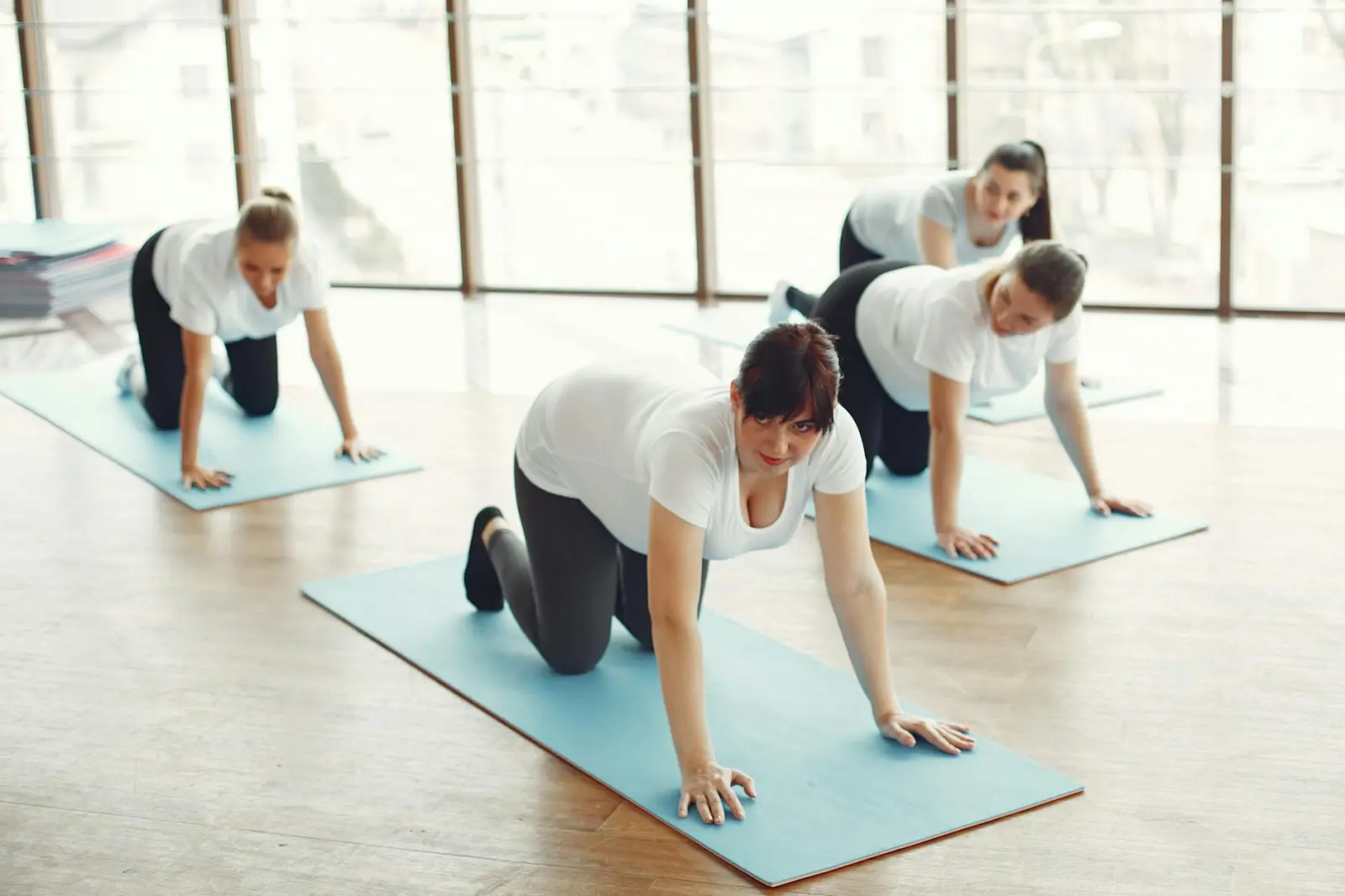
One of the most underestimated benefits of physical activity is how it can create low-intensity connection. A walking group, a casual class, a regular route where you nod at familiar faces – these small interactions can soften loneliness without demanding deep conversation. For people who feel isolated, or who are carrying private stress, that “light touch” community can be a bridge back to feeling human among humans.
And for leaders, caregivers, and those who hold a lot for others, shared activity can be a rare space where you’re not performing competence. You’re just moving alongside someone. That can be quietly restorative.
When it doesn’t help – and how people adapt
There are times when movement doesn’t bring relief. Some people notice that intense exercise can amplify agitation, or that being in a busy gym heightens self-consciousness. Others find that when they’re deeply depleted, activity highlights how far they feel from their “normal.” These reactions aren’t personal failures; they’re information.
Often the adjustment is about dose and context: smaller amounts, different environments, different expectations. Many people do best when they treat movement like a dial rather than a switch – something they can turn up or down depending on what their body and mind are signalling.
A note on distress and support
If someone is experiencing persistent distress, panic, or thoughts about not wanting to be here, movement can sometimes offer brief grounding – but it shouldn’t be the only line of support. In those moments, reaching out to someone trusted or a professional support service can be an important part of staying safe and not carrying it alone. Many people find that support and structure – alongside gentle habits – make the biggest difference over time.
In the end, physical activity is less like a single solution and more like a relationship you build with your own energy. The most sustainable version usually isn’t dramatic. It’s ordinary, repeatable, and forgiving – something that helps you come back to yourself, one small decision at a time.