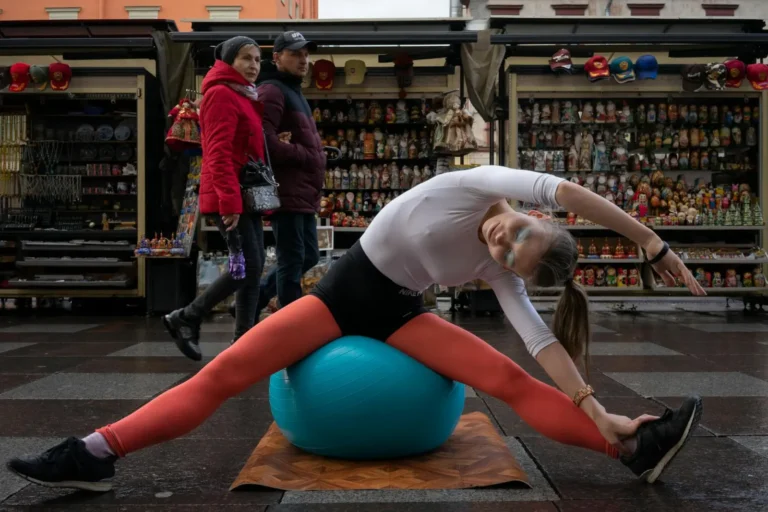


Many women learn early to keep things moving: relationships, households, emotional temperature in a room, the invisible “admin” of daily life. From the outside it can look like competence. From the inside it can feel like never fully exhaling.
When women struggle emotionally, it’s rarely because they’re “too sensitive.” More often it’s because the load is real – practical, social, and psychological – and it accumulates in ways that are easy to miss until the body and mind start pushing back. Stress doesn’t always arrive as panic. Sometimes it shows up as numbness, irritability, chronic fatigue, or a quiet sense of disconnection from yourself.
There’s also a complicated truth: many women are skilled at talking about feelings and building connection, and those strengths can be genuinely protective. But the same strengths can become a trap when they turn into constant emotional caretaking – being the one who notices, smooths over, remembers, anticipates, and absorbs.
Why the pressure can land harder
Women’s mental health is shaped by more than personality or mindset. Social and economic realities matter: pay gaps, precarious work, unequal caregiving expectations, single parenting pressures, and the everyday calculations about safety and belonging. These aren’t abstract “factors.” They become decisions made under strain – what gets postponed, who gets prioritized, what needs are quietly edited out.
Over time, living in a state of ongoing responsibility can create a particular kind of stress cycle: you cope by becoming more capable, then you’re relied on more, then you have less room to recover. Eventually, even small setbacks can feel disproportionately heavy – not because you’re failing, but because your system has been running without enough rest or support.
The hidden work of being “fine”
A lot of women become experts at appearing okay. They show up, perform, care, and keep things stable. Inside, they may be negotiating loneliness, anxiety, low mood, or a sense of being unrecognised. Sometimes the hardest part isn’t the pain itself – it’s the feeling that you shouldn’t have it, or that other people need you to stay steady.
This is where shame can creep in. Not loud shame, but the quiet kind: “Other people manage. Why can’t I?” Shame tends to isolate. It makes people minimize their own needs and delay reaching out until things feel unmanageable.
Relationships can protect – and they can drain
Strong social networks are often a real buffer for women. Being able to name feelings, share burdens, and ask for perspective can reduce the sense of carrying everything alone. But connection only protects when it’s mutual.
Many women find themselves in one-way emotional roles: the listener, the organiser, the dependable one. If you’re always the person others lean on, you may not notice how rarely you’re held. Over time, that imbalance can create resentment, exhaustion, or a hollow kind of loneliness – being surrounded by people but not truly supported.
Life transitions that can shake the ground
Some periods of life carry extra emotional complexity: pregnancy, fertility struggles, miscarriage, postpartum changes, menopause, relationship breakdown, caring for ageing parents, or experiences of trauma and violation. These aren’t just “events.” They can alter identity, safety, trust, and the sense of control over your own body and future.
Even when a woman is functioning day to day, big transitions can create a background hum of grief, fear, or uncertainty. It’s common to feel conflicted – relief and sadness, love and resentment, gratitude and anger – sometimes all in the same hour. Mixed feelings don’t mean you’re broken. They often mean you’re human in a complicated season.
When coping starts to cost you
People don’t choose harmful coping because they want to suffer. They choose it because, in the moment, it can feel like the only available way to regulate overwhelming emotion – numbing, controlling, escaping, or turning pain inward. These patterns often grow in silence, especially when someone is used to being “the strong one.”
If you ever notice your inner world getting darker, or you find yourself thinking about self-harm or not wanting to be here, it can help to treat that as a signal – not of weakness, but of overload. This is a moment to bring someone in: a trusted person, a support line, a GP, a counsellor, or a local service. You don’t have to carry those thoughts alone.
Support that actually helps
Support isn’t always advice. Often it’s practical relief, steadiness, and being taken seriously without being treated as fragile. It can look like someone asking, “What’s one thing I can take off your plate this week?” It can look like being believed, being checked on without pressure, or having a space where you don’t have to perform competence.
At a community level, the most protective environments are the ones where care is shared: where emotional labour isn’t assigned by default, where boundaries are respected, where people notice who is always giving and gently make room for them to receive.
Many women have spent years adapting to stress by becoming more capable. Recovery often begins when capability is no longer the only identity available – when rest is allowed, when needs are spoken aloud, when support is not earned but offered. That shift can be small and still be life-changing: one honest conversation, one boundary held, one moment of being met with warmth instead of expectation.