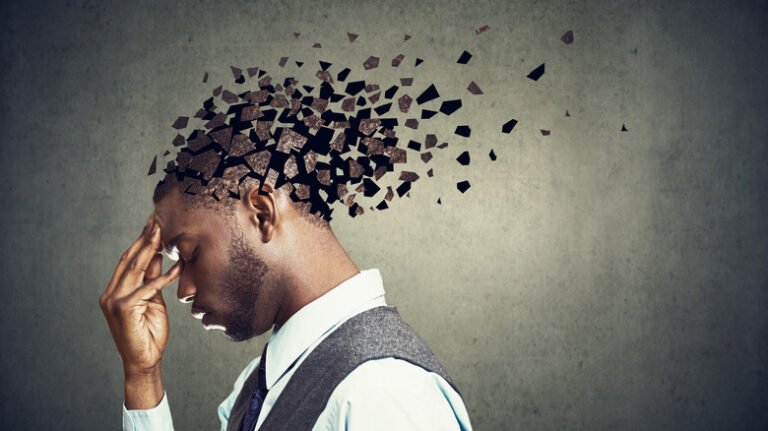

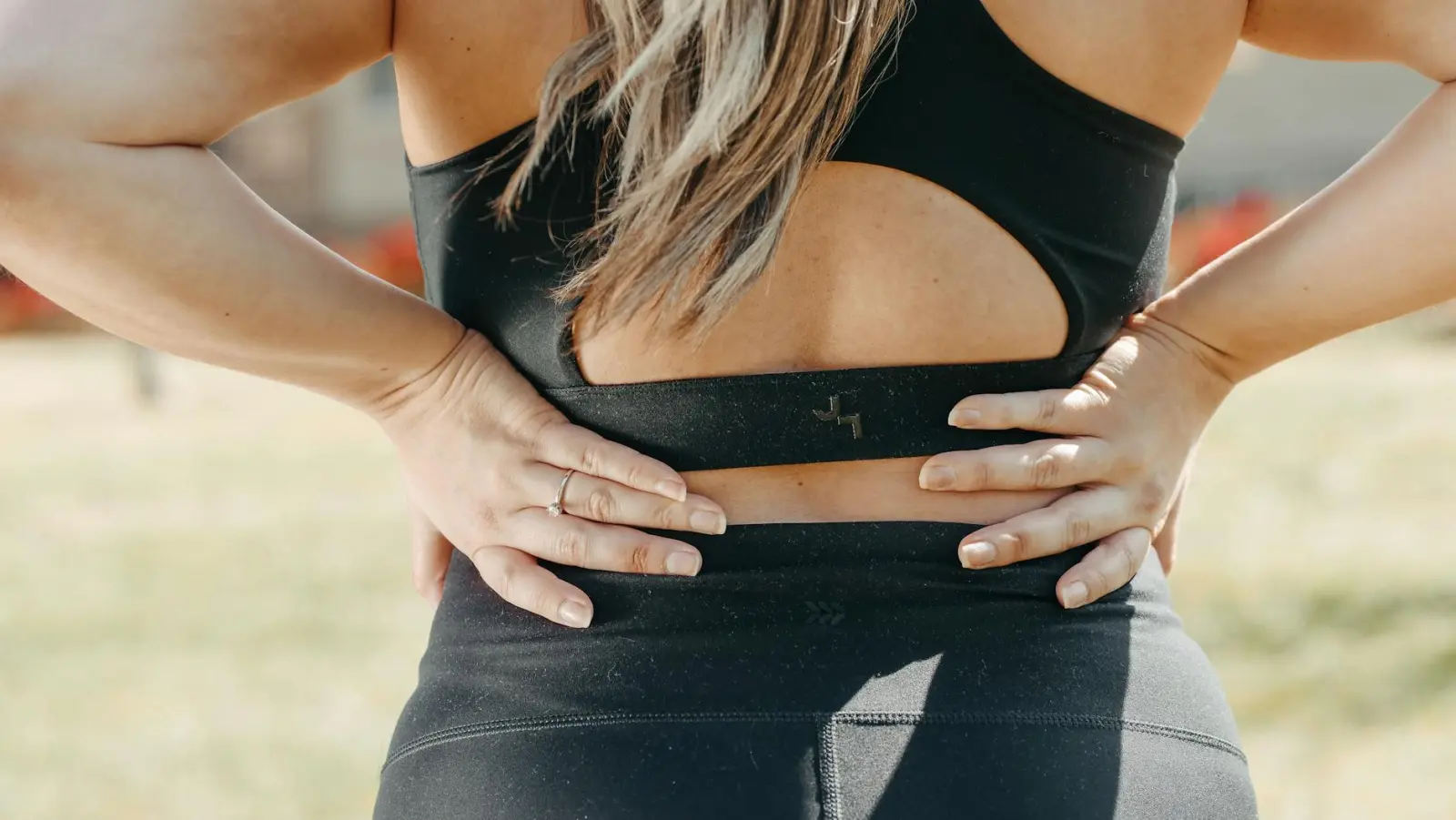
Most people don’t wake up and decide to “have a body image issue.” It tends to arrive quietly, through comparisons that feel harmless at first, through offhand comments that land harder than they should, through the sense that your body is being read by others as a summary of who you are.
Body image is often described as how we think and feel about our bodies. That sounds simple, but in real life it can become a running commentary in the background of everything: what you wear, how you show up in photos, whether you feel entitled to take up space in a room, whether a good day feels “earned” only when you look a certain way.
One of the most important distinctions – often missed in everyday conversations – is that body image concerns are common and not, by themselves, a mental health problem. But they can still matter deeply, because they can act like a stress multiplier: turning ordinary social moments into evaluations, and ordinary self-care into self-judgment.
Body image as a pressure system, not a vanity problem
People sometimes dismiss body image distress as superficial. Yet what I’ve seen repeatedly is that it’s rarely about vanity and more often about safety, belonging, and worth. When someone feels their body is “wrong,” it can trigger an old, human fear: If I’m not acceptable, I might be excluded. That fear doesn’t stay neatly in one corner of life. It spreads.
Under stress, the mind looks for variables it can control. Bodies become an easy target because they’re visible and measurable. For some people, focusing on appearance becomes a coping strategy – one that offers brief relief (“If I fix this, I’ll feel better”) while quietly tightening the loop of anxiety and self-monitoring.
It’s also why compliments can be complicated. If the only time you feel seen is when you look a certain way, your sense of stability starts depending on maintaining that version of yourself. That’s not confidence; it’s conditional permission to exist.
How it affects mental wellbeing day to day
Body image strain often shows up less as a single dramatic moment and more as a long pattern of small withdrawals:
- avoiding social events because you don’t want to be photographed
- feeling “behind” in life because you’re waiting to look different before you start living
- reading neutral interactions as judgment
- cycling between strict control and exhaustion
- feeling a quiet shame that’s hard to explain to others
Over time, this can erode mood and self-esteem. It can also make people more vulnerable during periods of change – puberty, pregnancy, illness, aging, relationship shifts, job loss – times when the body or identity is already in flux. When life feels uncertain, body image can become the place where uncertainty gets “managed,” even when the management is painful.
Social comparison doesn’t just hurt feelings – it reshapes identity
Comparison is a normal human behavior. The problem is the environment we compare inside. When the “ideal” is narrow, edited, and constantly reinforced, comparison stops being informational and starts becoming a verdict.
What’s especially corrosive is when people begin to treat their bodies as projects for public approval rather than as living parts of a whole self. The inner question shifts from “How do I feel?” to “How am I being perceived?” That shift can make people more self-conscious, less spontaneous, and more socially guarded – exactly the opposite of what supports resilience.
And because body talk is so normalized – jokes, “before and after” stories, casual criticism – many people learn to mistrust their own discomfort. They tell themselves they’re overreacting, even as the stress accumulates.
When distress becomes heavier and harder to carry
For some, body image concerns remain intermittent – flaring during stressful weeks and easing when life feels steadier. For others, the distress becomes more persistent and consuming, especially when it starts to narrow life: fewer friendships, less joy, more isolation, more rumination.
In those heavier seasons, people may also experience hopeless thoughts – like nothing will improve unless their body changes, or that they don’t deserve care until they look different. If someone is having thoughts about self-harm or suicide, it’s not a sign of “attention-seeking.” It’s a sign they’re overwhelmed and may feel trapped in a story where relief seems impossible. In those moments, gentle connection matters: reaching out to someone trusted, and seeking support from a qualified professional or a crisis service if needed. No one should have to carry that alone.
What tends to help, in real life
Body image rarely improves through more pressure. It tends to soften when people experience a different kind of relationship – with themselves and with others.
Supportive change often looks like:
- less body surveillance, more attention to how life feels from the inside
- more honest conversations that don’t turn pain into a joke or a competition
- environments that widen the definition of “normal” – in families, workplaces, schools, and friend groups
- leadership that doesn’t reward self-criticism (for example, not praising extreme “discipline” while ignoring exhaustion)
One of the most protective experiences is being valued in ways that have nothing to do with appearance – being relied on, listened to, included, respected. That kind of belonging doesn’t erase insecurity overnight, but it changes the stakes. It reminds people they are more than an image.
When communities take body image seriously – not as a trend, but as a mental wellbeing issue – they become less likely to normalize casual cruelty, and more likely to notice when someone is shrinking their life to cope. The shift is subtle: fewer comments that rank bodies, more space for people to show up as they are.
Body image is personal, but it’s not only personal. It’s shaped by what gets praised, what gets mocked, what gets marketed as “fixable,” and what gets treated as acceptable. When the culture keeps asking people to earn their worth through appearance, resilience often begins with a quieter refusal: choosing, again and again, to relate to your body as a companion in life – not a problem you must solve to deserve it.