

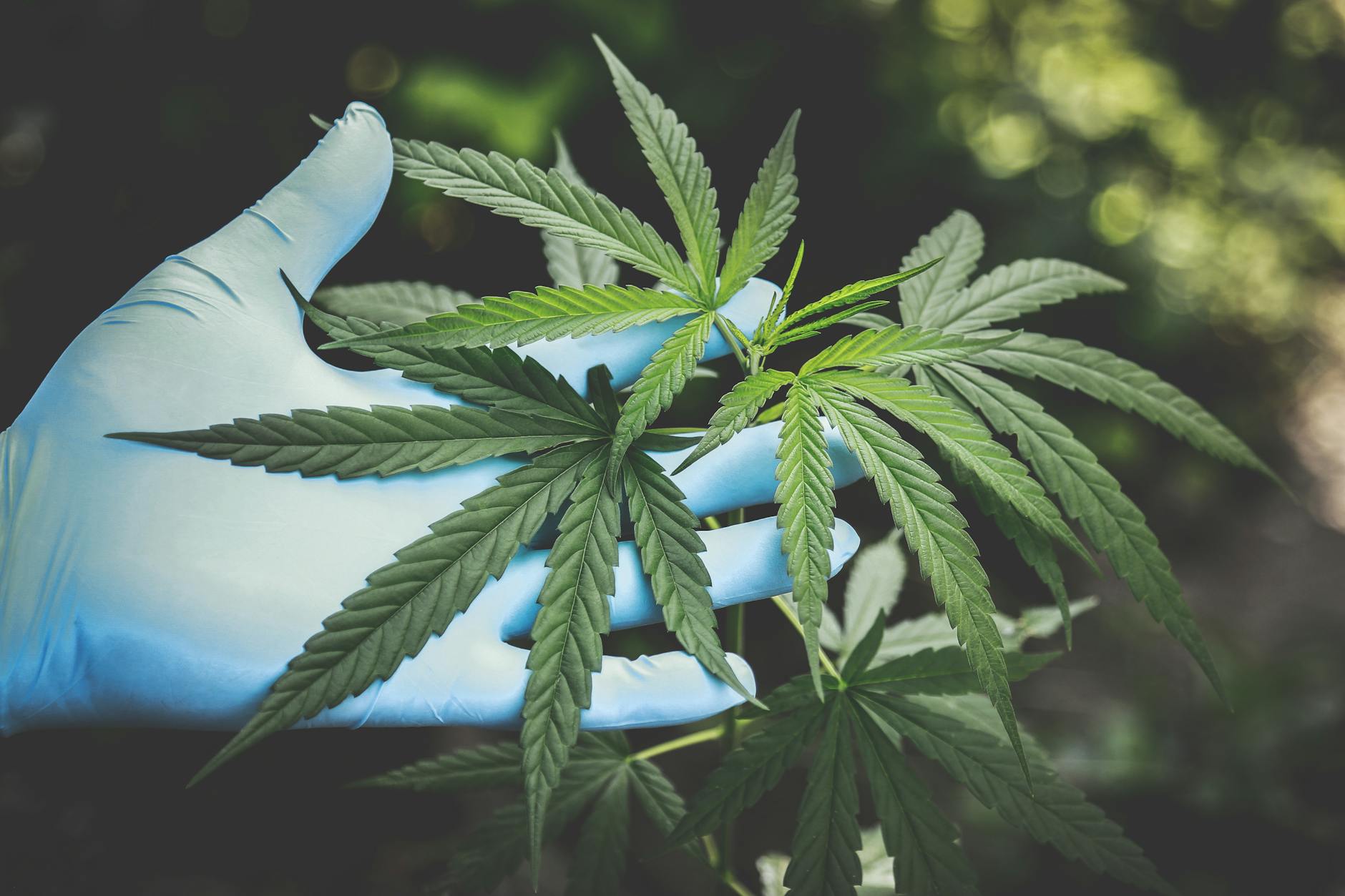
People often discuss weed as either harmless or harmful, but real experiences tend to be more mixed. This article reviews potential benefits and drawbacks of smoking weed with a focus on mental wellbeing, functioning, and social context. It is educational and not a substitute for professional care.
What people mean by benefits and harms
When people talk about the pros and cons of smoking weed, they are usually describing short-term effects (how someone feels that day) and longer-term patterns (how use fits into sleep, work, relationships, and coping). Effects vary by individual factors like stress level, expectations, setting, and frequency of use. Because research findings can be complicated, it helps to separate what someone experiences personally from what population studies suggest on average.
Potential pros people report
Some people report that smoking weed helps them feel more relaxed, socially open, or able to disengage from repetitive thoughts for a while. For others, it can feel like a ritual that supports connection, creativity, or taking a break from constant productivity. In some communities, it also functions as a shared language and a gateway to conversations about harm reduction, consent, and emotional support—especially when use is approached with honesty and boundaries.
Potential cons and mental health risks
Smoking weed can also bring unwanted psychological effects, including increased anxiety, paranoia, irritability, or feeling mentally “foggy,” particularly in stressful environments or with frequent use. Some people notice reduced motivation, difficulty concentrating, or a narrower emotional range over time, which can impact school, work, and self-esteem. If weed becomes a primary way to handle distress, it can crowd out other coping skills and make it harder to identify what is driving the distress in the first place. Smoking also carries respiratory drawbacks compared with non-inhaled routes, and secondhand smoke can affect others.
Impact on relationships and community
Weed can strengthen relationships when friends or partners share clear expectations and respect limits. It can also create friction when one person’s use affects reliability, finances, emotional presence, or conflict patterns. Community norms matter: spaces that normalize checking in, not pressuring others, and respecting people who abstain tend to reduce harms. If use is tied to belonging, people may feel they cannot step back without losing social connection—an important leadership and community-care issue.
Making a grounded personal decision
A practical way to weigh the pros and cons is to look at outcomes rather than intentions: what changes in mood, sleep, anxiety, attention, and relationships follow use, and what happens when use is reduced or paused. Consider these questions:
- Does it improve or worsen my anxiety, mood stability, and focus in the days after?
- Does it support or disrupt my routines, responsibilities, and goals?
- Am I choosing it, or do I feel I need it to cope or to fit in?
- Do the people around me respect boundaries and consent around use?
If you’re unsure, talking with a trusted, nonjudgmental professional or peer-support resource can help you sort correlation from causation and build a wider set of coping tools.
FAQ
Can smoking weed help anxiety?
Some people feel temporary relief, while others experience heightened anxiety or paranoia. The difference often shows up in patterns over time—how you feel afterward, not only in the moment.
How do I know if my use is becoming a problem?
Common signs include using to avoid emotions, struggling to cut back, reduced motivation or focus, conflicts with loved ones, or feeling worse when not using. Looking at impact on daily functioning is often more useful than counting occasions.
Is occasional social use different from coping-driven use?
Often, yes. Social use with clear limits may have fewer downsides for some people, while coping-driven use can become a default strategy that replaces other supports and skills.