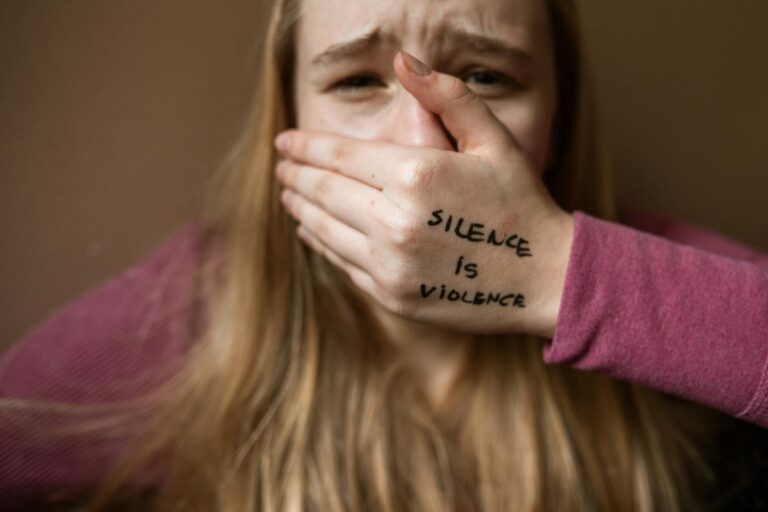


For a lot of people, the shift into colder weather isn’t just about coats and earlier sunsets. It can feel like the day closes in sooner – on plans, on motivation, on the sense that life is moving forward. You might notice you’re more tired than seems “reasonable,” more irritable, or less interested in things you normally enjoy. And because it happens gradually, it can be easy to blame yourself before you consider the season itself.
What makes seasonal dips so disorienting is how they blur the line between “I’m having a rough week” and “something in me has changed.” Many people keep functioning – showing up to work, replying to messages, doing the basics – while privately feeling flatter, slower, or strangely detached. The outside world may look the same, but the inner effort required to meet it can quietly double.
Why darker months can hit harder than we expect
Human beings are deeply responsive to environment. Light, routine, movement, and social contact aren’t just lifestyle “extras” – they’re part of how we regulate emotion and stamina. When daylight shrinks, people often spend more time indoors, move less, and see others less casually. That combination can create a feedback loop: less light and movement can reduce energy; reduced energy makes it harder to reach out; isolation then reinforces low mood.
There’s also a meaning layer that doesn’t get talked about enough. Winter can amplify old themes – loneliness, grief, uncertainty, the sense of “falling behind.” If someone already carries stress or burnout, the season can feel like it removes the last bits of margin. It’s not always that winter “causes” distress; sometimes it reveals how thinly someone has been coping for a while.
Patterns people often notice (and misread)
Seasonal struggle doesn’t always announce itself as sadness. Sometimes it shows up as:
-
Heaviness and inertia – everything feels like it takes more effort than it should.
-
Changes in sleep – sleeping longer, wanting to stay in bed, or feeling unrefreshed.
-
Shifts in appetite or cravings – often toward comfort foods, sometimes alongside guilt or self-criticism.
-
Social withdrawal – turning down invitations, replying slower, “saving energy” by disappearing.
-
Foggy thinking – less focus, more procrastination, less confidence in decisions.
A common trap is moralizing these changes: calling them laziness, weakness, or lack of discipline. In reality, many of these are understandable responses to reduced stimulation, reduced light, and accumulated stress. Self-judgment tends to deepen the hole because it adds shame on top of fatigue.
The quiet role of connection and community
When people feel low, they often assume they’re a burden and should “sort it out” privately. That instinct makes sense – especially for those who are used to being the reliable one. But seasonal dips can be precisely the time when gentle, ordinary contact matters most: a regular walk with someone, a standing phone call, a class you attend even when you don’t feel like it, a workplace culture where it’s safe to say, “I’m running a bit low right now.”
Support doesn’t have to be intense to be real. Sometimes it’s simply having one or two people who notice your absence, or routines that keep you tethered to the world when your motivation wobbles.
Leadership pressure can make it lonelier
People in leadership – formal or informal – often feel they don’t get to “have a season.” They’re expected to be consistent, upbeat, decisive. In darker months, that expectation can become a performance: delivering steadiness while privately feeling depleted. The risk isn’t just exhaustion; it’s disconnection – when you stop letting anyone see the human parts of you.
Healthy leadership psychology leaves room for reality. It’s not about oversharing; it’s about creating conditions where people can be honest about capacity, ask for help early, and adjust pace without shame. Many teams don’t need a hero in winter. They need a leader who normalizes sustainable effort and mutual care.
Small anchors that protect mood (without pretending to “fix” it)
When someone is sliding into a seasonal low, grand plans often backfire. The nervous system tends to respond better to small, repeatable signals of safety and momentum. People often do better when they focus on a few “anchors” rather than a full self-improvement campaign – things like getting outside during daylight when possible, keeping a basic sleep rhythm, adding a little movement, and building in low-pressure social contact.
The point isn’t to force cheerfulness. It’s to reduce the sense of drifting. Even one dependable routine can act like a handrail in a darker corridor.
When it feels darker than the season
Sometimes seasonal change doesn’t just bring low energy – it brings hopelessness. If thoughts start turning toward not wanting to be here, or you feel unsafe with your own mind, it’s a sign to bring someone else into the room with you – someone you trust, or a professional support line in your area. You don’t have to “prove” you’re struggling enough to deserve care. Reaching out can be a protective act, not a dramatic one.
Many people who go through seasonal lows later describe the hardest part as the self-doubt: wondering if they’re imagining it, exaggerating it, or failing at something everyone else handles. But the seasons do shape us. And noticing that influence – without shame – can be the beginning of treating yourself more like a person living through a hard stretch, and less like a problem to be solved.