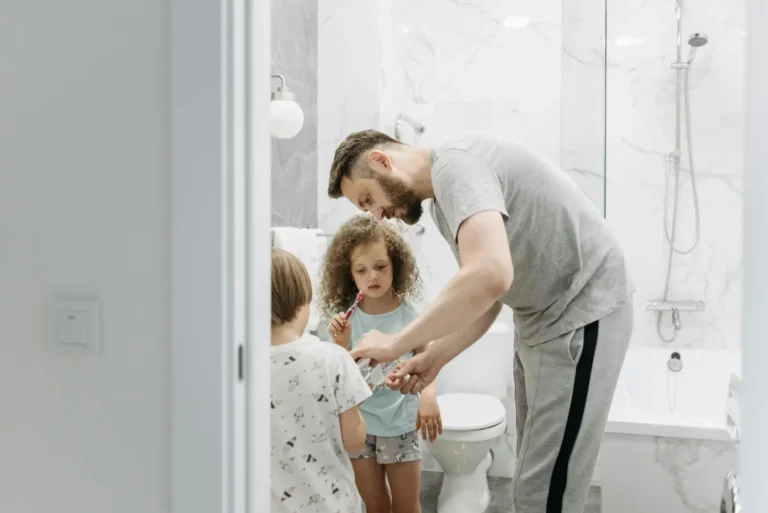

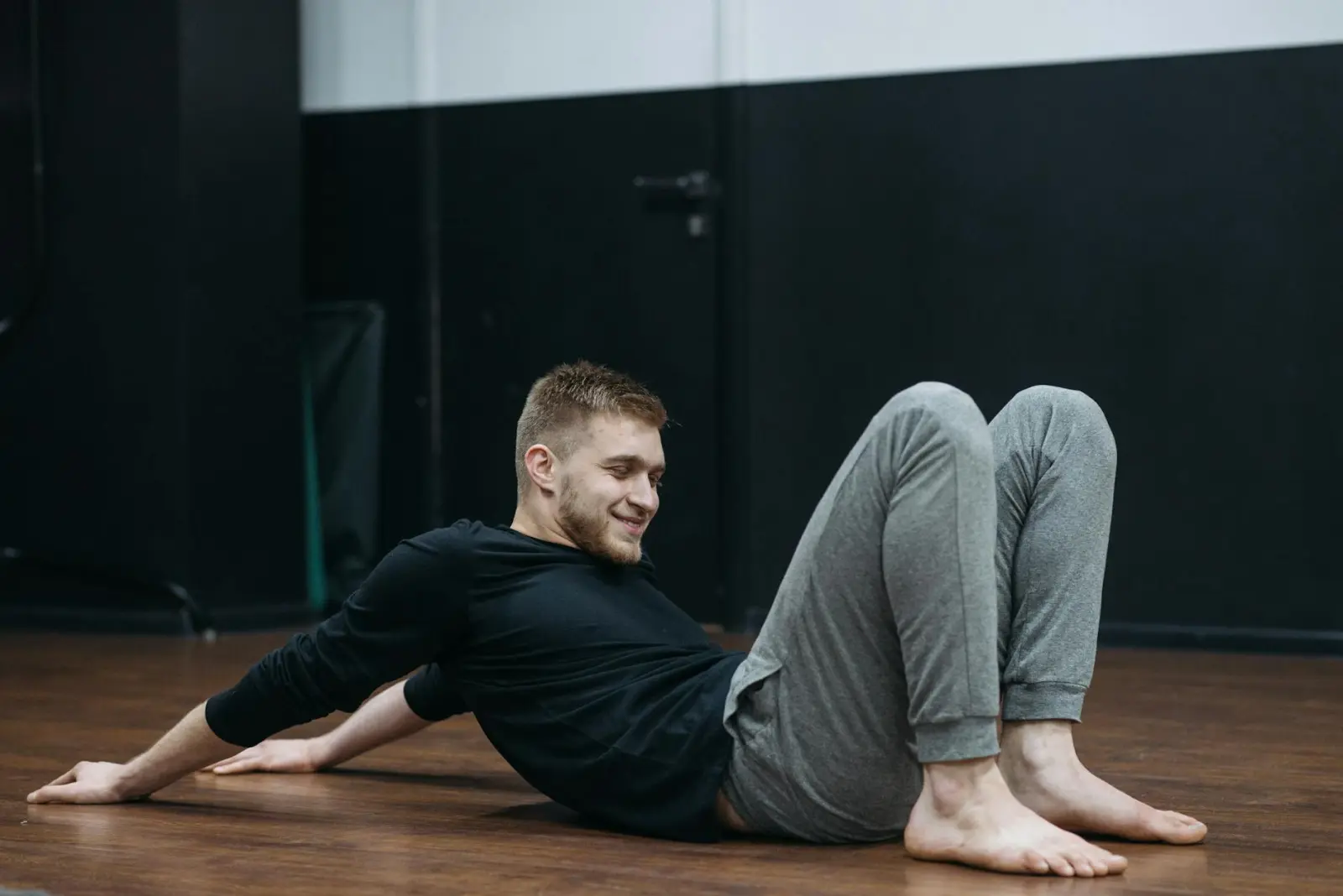
Body image rarely arrives as a single moment. For many children, it forms slowly – through offhand comments, social comparison, what gets praised, what gets teased, and what seems to “count” in their world. Long before a young person has the words for it, they can learn that their body is something to evaluate.
Research and surveys in the UK suggest that worries about appearance are common in adolescence, and many young people describe body image as a frequent source of anxiety. That doesn’t mean every child who cares about how they look is in trouble. It does mean that appearance can become a surprisingly heavy emotional theme – one that follows kids into school corridors, friendships, sports, and quiet moments at home.
When you spend time around children and teens, you start to notice a pattern: body image concerns often aren’t really about bodies. They’re about safety, belonging, control, and being seen kindly.
Why appearance becomes “important” so early
Children are meaning-makers. They watch what adults react to, what peers reward, and what gets punished socially. If a child learns – directly or indirectly – that looking a certain way earns approval, avoids ridicule, or grants status, it makes sense that appearance starts to feel important. It becomes a strategy for social survival.
For some, that strategy is subtle: checking mirrors, changing outfits repeatedly, asking for reassurance. For others, it shows up as withdrawal – avoiding photos, skipping activities, refusing to change for sports, or going quiet when bodies are discussed. The behavior often looks like “vanity” from the outside, but inside it can be a form of vigilance: trying to prevent shame.
The emotional mechanics: comparison, control, and shame
Body image anxiety tends to ride on three emotional currents:
-
Comparison: Children compare because they’re trying to locate themselves in the group. When the comparison target is unrealistic – filtered images, narrow beauty ideals, or a peer group obsessed with looks – the gap can feel like a personal failure rather than a cultural distortion.
-
Control: When life feels uncertain – friendships shifting, school pressures rising, family stress in the background – some kids focus on the body because it seems like one thing they can manage. Control can feel soothing, even when it becomes exhausting.
-
Shame: Shame is the most corrosive ingredient. It’s not “I don’t like this feature,” but “something about me makes me less acceptable.” Shame thrives in secrecy and grows when a child feels they have to perform confidence while privately feeling exposed.
This is one reason body image struggles can persist even when reassurance is offered. A child may hear “you look fine,” but what they’re really asking is, “Am I safe with you? Do I still belong if I don’t meet the standard?”
Not the same experience for everyone
Body image concerns can affect any child, and they don’t follow a single script. Still, many studies find that girls are more likely to report dissatisfaction with appearance and weight than boys. That difference often reflects the social environment: girls frequently receive earlier and more intense messages about being evaluated, being “presentable,” and being watched.
At the same time, boys can carry their own pressures – often around muscularity, height, strength, or appearing “tough.” Because some cultures give boys fewer acceptable ways to talk about insecurity, their distress may be easier to miss. It can come out sideways: irritability, obsessive training, risk-taking, or mocking others’ bodies as a way to avoid being targeted themselves.
How adults accidentally amplify the pressure
Most caregivers and educators aren’t trying to create appearance anxiety. It often happens through small, repeated signals:
-
Compliments that focus heavily on looks rather than effort, kindness, creativity, or courage.
-
Jokes or casual criticism about weight, “bad” foods, or “fixing” certain features – especially when children overhear adults talking about themselves.
-
Treating photos, outfits, and presentation as high-stakes events, where a child learns that being seen is something to fear.
Children don’t only learn body standards from what is said to them. They learn from what adults say about their own bodies – how they stand in front of mirrors, how they talk about aging, how they describe “good” and “bad” days in terms of appearance. Kids often internalize the rule: your body is always up for review.
What helps: belonging over “fixing”
The most stabilizing support usually isn’t a lecture about confidence. It’s a steady experience of belonging that doesn’t depend on appearance. Kids do better when they feel:
-
Safe to be ordinary: not every day has to be a performance.
-
Allowed to talk: worries can be named without being dismissed or dramatized.
-
Valued for more than presentation: when their identity has multiple anchors – friendship, interests, skills, humor, care for others – appearance has less power to define their worth.
It also helps when communities – schools, sports clubs, youth groups – set a tone that reduces body-based teasing and makes it easier to ask for support. Children take cues from what adults consistently protect. When adults intervene calmly and reliably, kids learn that cruelty isn’t “just part of growing up,” and that they don’t have to carry it alone.
When worry starts to narrow a child’s life
There’s a difference between a child having a self-conscious day and a child becoming trapped in a loop of monitoring and avoidance. A useful way to notice the shift is to look for restriction: the worry starts deciding what they will wear, where they will go, which friends they’ll see, whether they’ll eat with others, whether they’ll participate in activities they used to enjoy.
If a young person seems persistently preoccupied, distressed, or increasingly isolated, it can be a sign they need more support than reassurance can provide. In those moments, a caring adult presence – patient, non-judgmental, and willing to listen – can be protective. And if a child ever expresses hopelessness or talks about not wanting to be here, it’s important to take that seriously and involve appropriate support so they’re not left alone with those feelings.
Many children who struggle with body image aren’t asking for perfection. They’re asking for relief – from comparison, from scrutiny, from the sense that acceptance is conditional. When the adults around them model steadier values and create spaces where kids can belong without performing, body image becomes what it was always meant to be: one small part of a much larger life.