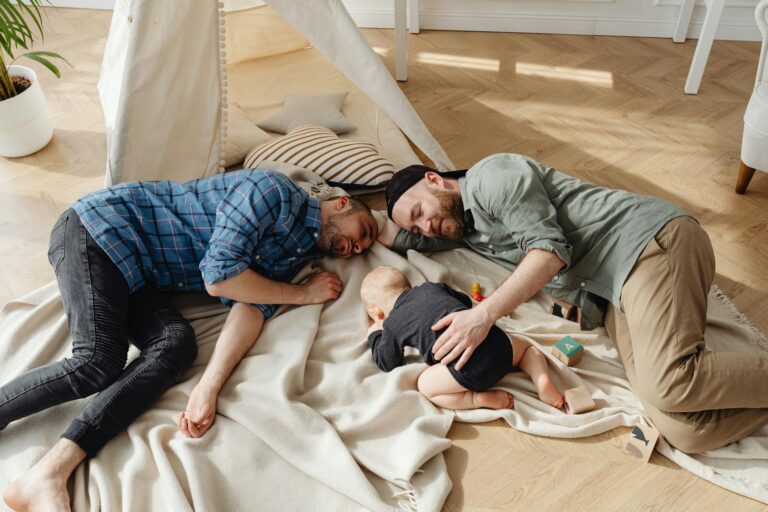
Why Your Baby May Sleep With Eyes Open and What Helps
A calm guide to baby sleeping with eyes open: why it happens, what’s usually normal, when to ask a clinician, and support for stressed parents.



This category highlights the role of connection, belonging, and shared responsibility in wellbeing. It features stories and insights on community-based support, peer connection, and initiatives that strengthen collective resilience.
A calm guide to baby sleeping with eyes open: why it happens, what’s usually normal, when to ask a clinician, and support for stressed parents.

Learn what to consider about flucloxacillin and alcohol, including wellbeing, side effects, mental health, and support for healthier choices.

Mixing alcohol and penicillin is usually discouraged. Learn why, how it can affect recovery and mood, and when to seek medical advice.

If your baby seems to choke on saliva while sleeping, focus on staying calm, documenting patterns, and seeking support and professional guidance.

Sleeping after eating doesn’t automatically cause weight gain. Learn what influences weight, sleep, stress, and habits—without shame or myths.

Learn practical ways to reduce alcohol breath—hydration, oral care, food, time, and support—while staying mindful of wellbeing and safety.

Sleeping with eyes open can be a stress, habit, or health-related issue. Learn what it can mean and supportive, non-medical steps to consider.

Tylenol isn’t usually sedating, but some people feel tired. Learn why fatigue can happen, what to watch, and when to seek support.

GGT is a liver enzyme. Learn what “dangerous” can mean, typical ranges, common causes, and when to seek support and follow-up care.
When you’re done with a long day of work or school, you probably have something waiting at home that you’ve been looking forward to. It might be a crafting project or watching movies with more than a little attention on…