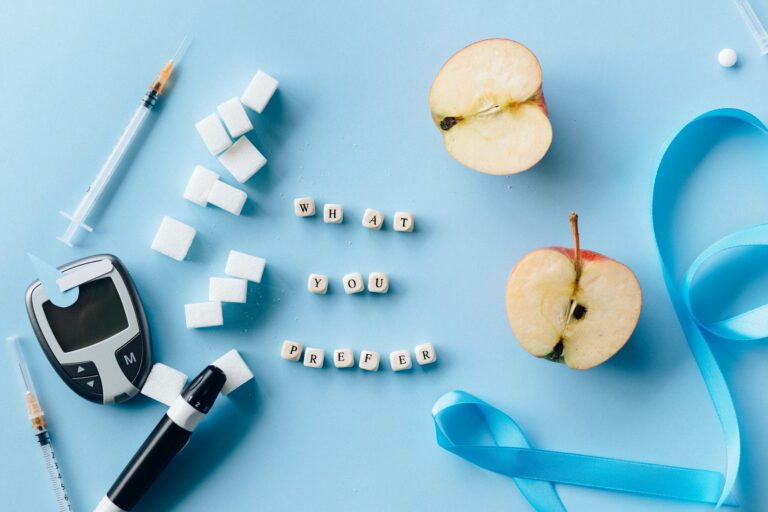
What level of GGT is considered dangerous and why it matters
Learn what GGT levels can signal, why “dangerous” isn’t one number, and how mental wellbeing, support, and follow-up care fit in.



Articles here explore leadership, coaching, and personal development from a wellbeing-focused perspective. The emphasis is on conscious leadership, reflective practice, and creating healthier, more sustainable environments for people and teams.
Learn what GGT levels can signal, why “dangerous” isn’t one number, and how mental wellbeing, support, and follow-up care fit in.
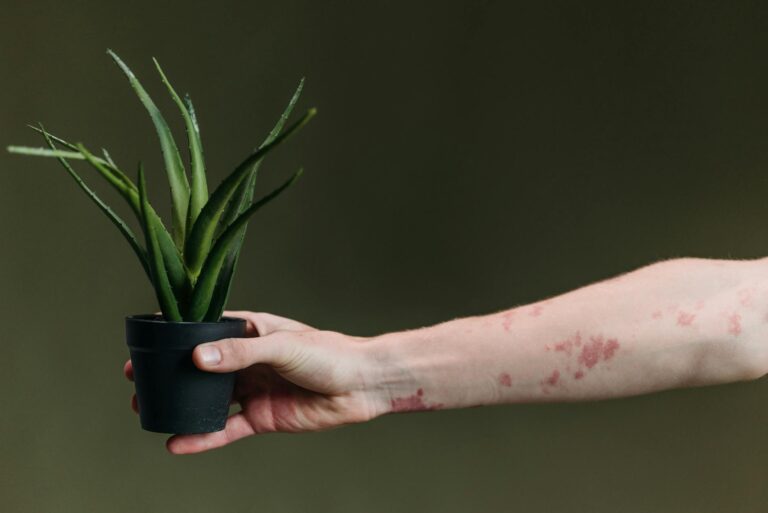
Pokeweed rash can be painful and stressful. Learn what it is, how it affects wellbeing, and ways to seek support, education, and safe guidance.

Feeling like all you want to do is sleep can reflect stress, burnout, or low mood. Learn supportive ways to respond and seek community care.

A clear look at horny goat weed for women, including research limits, safety questions, mental wellbeing factors, and how to seek supportive guidance.

A bent little finger is sometimes discussed alongside autism, but it is not a diagnostic sign. Learn what research suggests and how to seek support.

A calm guide to baby sleeping with eyes open: why it happens, what’s usually normal, when to ask a clinician, and support for stressed parents.

Learn what to consider about flucloxacillin and alcohol, including wellbeing, side effects, mental health, and support for healthier choices.
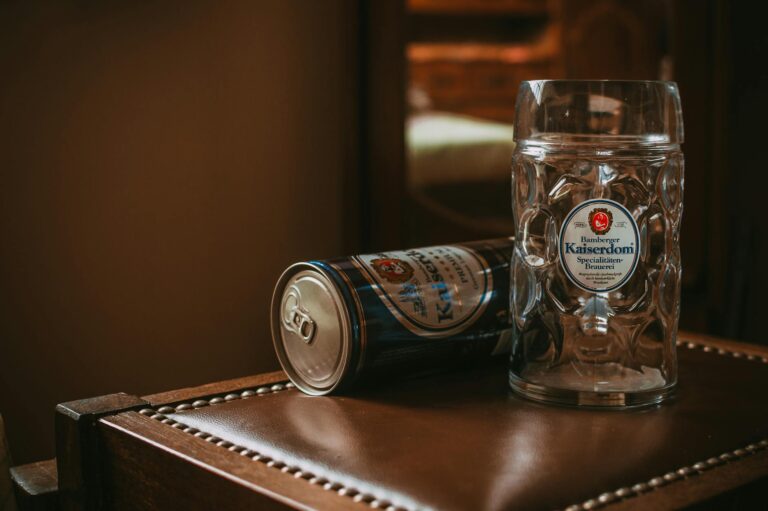
Mixing alcohol and penicillin is usually discouraged. Learn why, how it can affect recovery and mood, and when to seek medical advice.

If your baby seems to choke on saliva while sleeping, focus on staying calm, documenting patterns, and seeking support and professional guidance.

Learn practical ways to reduce alcohol breath—hydration, oral care, food, time, and support—while staying mindful of wellbeing and safety.